10 Best Foods to Manage Blood Sugar Levels Without Medication
Managing blood sugar doesn’t always mean following a prescription. Sometimes it is more about what’s on your plate.
If you’re battling with prediabetes, type 2 diabetes, or simply want to avoid energy crashes and sugar spikes, eating mindfully can make a major difference. In fact, studies show that dietary changes alone can reduce blood sugar levels by 20–30%. Especially for people with insulin resistance.
But this does not mean cutting out all carbs or following a strict diet. It means choosing foods that work well for your body and help balance the sugar levels.
Let’s explore how food affects blood sugar, the 10 best foods to support healthy glucose levels, and quick recipes you can actually fit into real life.
Why Blood Sugar Balance Is So Important
Blood sugar (glucose) fuels your body. But when it stays for too long, it can result in some serious health issues.
Consider this:
- More than 1 in 3 adults has prediabetes, and over 80% are unaware
- Chronically high blood sugar raises the risk of heart disease by 2–4 times
- Blood sugar swings can affect mood, focus, sleep, and weight long before diabetes happens
The goal is not perfection but stable sugar levels that help you live a healthy life. The food you intake works differently on your body.
How Does Food Affect Blood Sugar Levels?
Blood sugar response depends on more than how much sugar you intake. Some of the key factors that affect blood sugar level is:
- Fiber can easily slow down the digestion and boost glucose absorption
- Protein and healthy fats help reduce sugar spikes
- Refined carbohydrates, which raise the glucose quickly
- Portion size and food pairing, which significantly impact the response
That’s why the food you intake is so important. Let’s say if you skip sugar for 30-days the results will be mindblowing. Not only does it boost digestion and improve insulin sensitivity, but it also supports steady energy.
10 Best Foods to Manage Blood Sugar Levels Without Medication
1. Leafy Green Vegetables
Green leaf vegetables, such as spinach and kale, are extremely low in carbohydrates and rich in fiber, magnesium, and antioxidants. People who consume leafy greens daily have a 14% lower risk of developing type 2 diabetes.
Quick Recipe: Leafy Green Omelet (approx cook time: 10 minutes)
Sauté a handful of spinach in olive oil, add two beaten eggs, and cook until set. Serve with sliced avocado for added healthy fats.
2. Fatty Fish
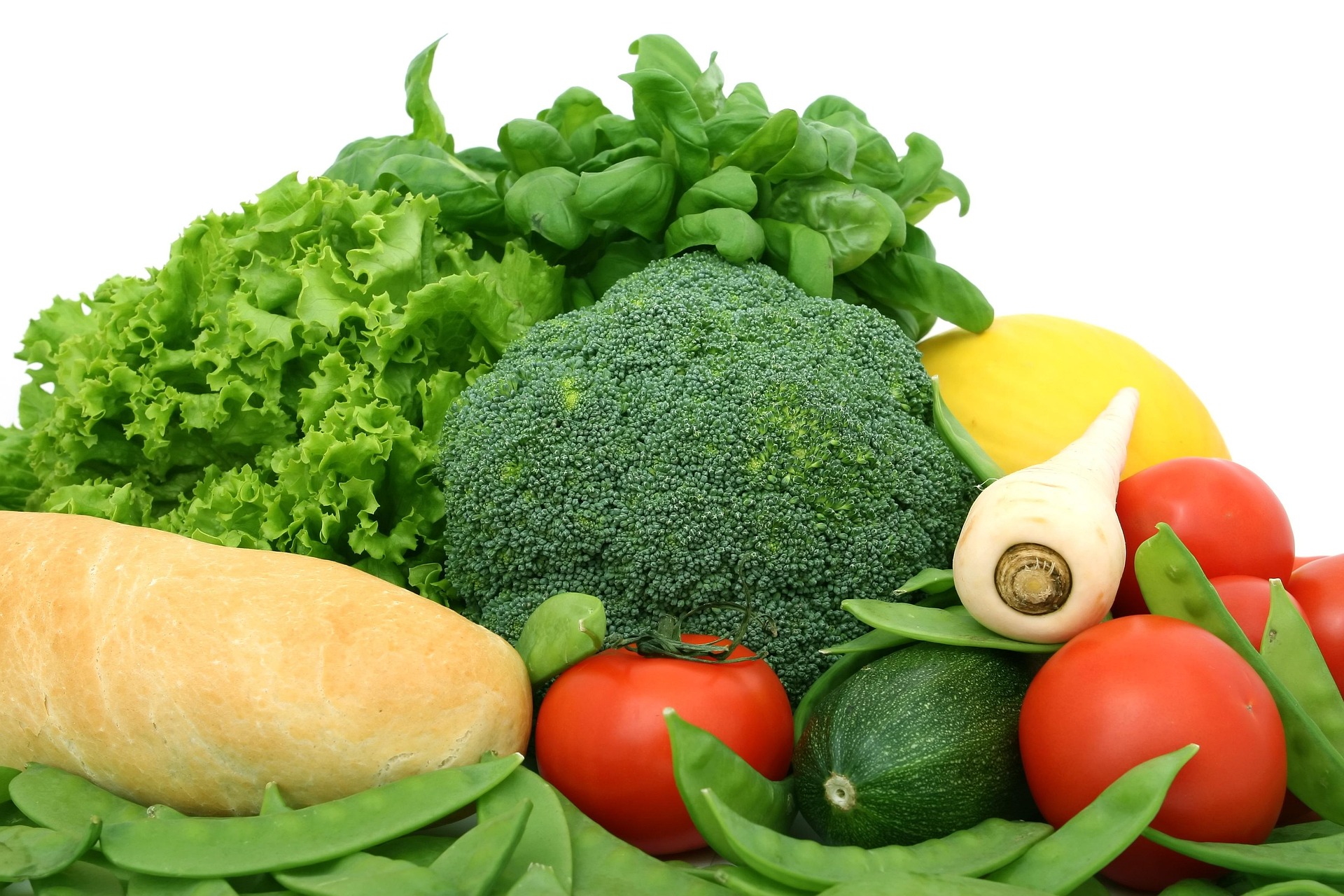
Salmon, sardines, and mackerel are high in omega-3 fatty acids, which help reduce inflammation and improve insulin sensitivity. Regular consumption is associated with lower fasting blood sugar levels.
Quick Recipe: Lemon Garlic Salmon (approx cook time: 15 minutes)
Season a salmon fillet with olive oil, garlic, and salt. Bake at 400°F (200°C) for 12–15 minutes and finish with lemon juice. Pair with steamed vegetables.
3. Whole Grains
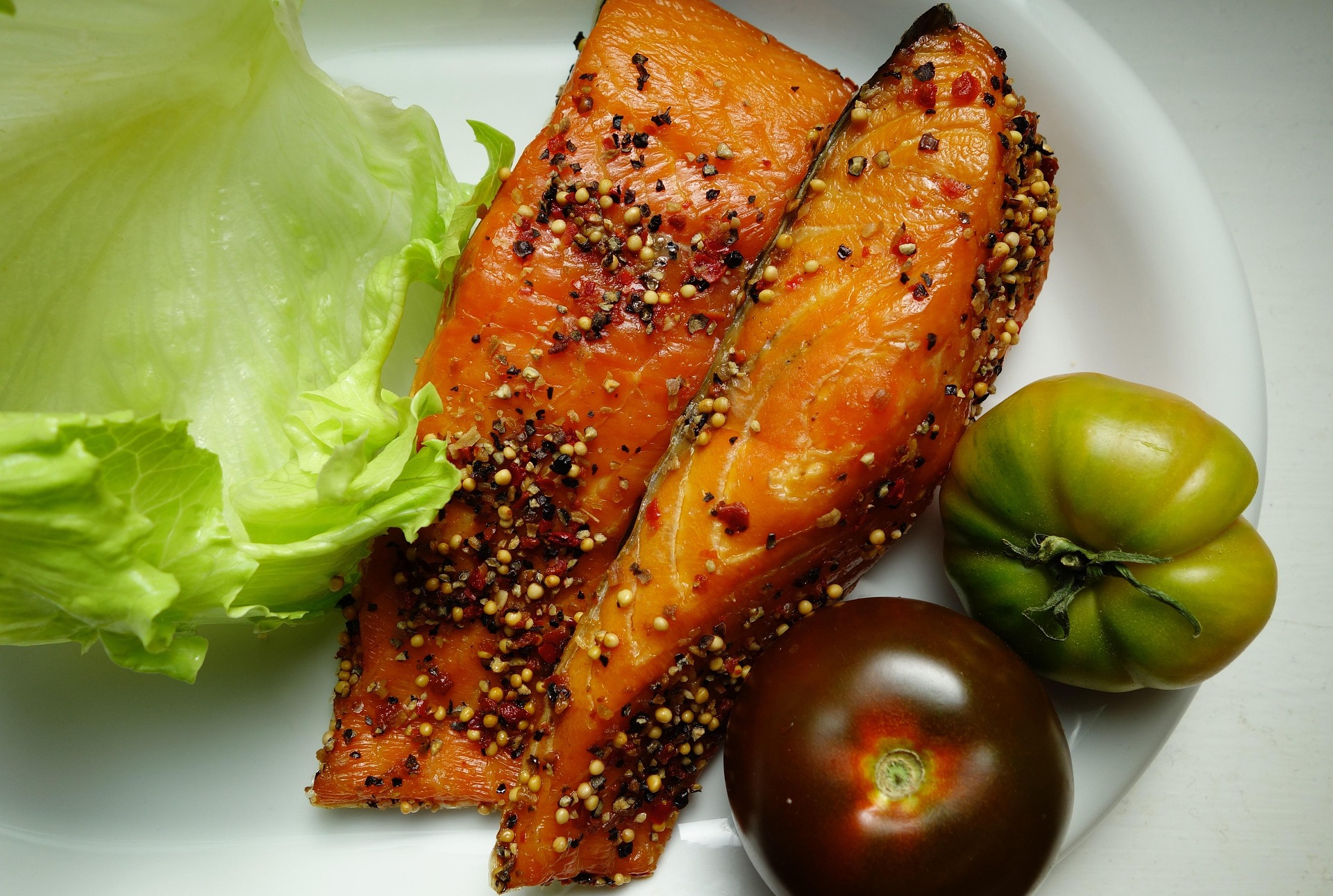
Oats, quinoa, and brown rice digest more slowly than refined grains due to their fiber content. Research suggests whole grains can improve insulin response by up to 25%.
Quick Recipe: Cinnamon Oat Bowl (approx cook time: 5 minutes)
Cook rolled oats in water or unsweetened almond milk. Stir in cinnamon and chia seeds. Top with a small handful of berries.
4. Legumes
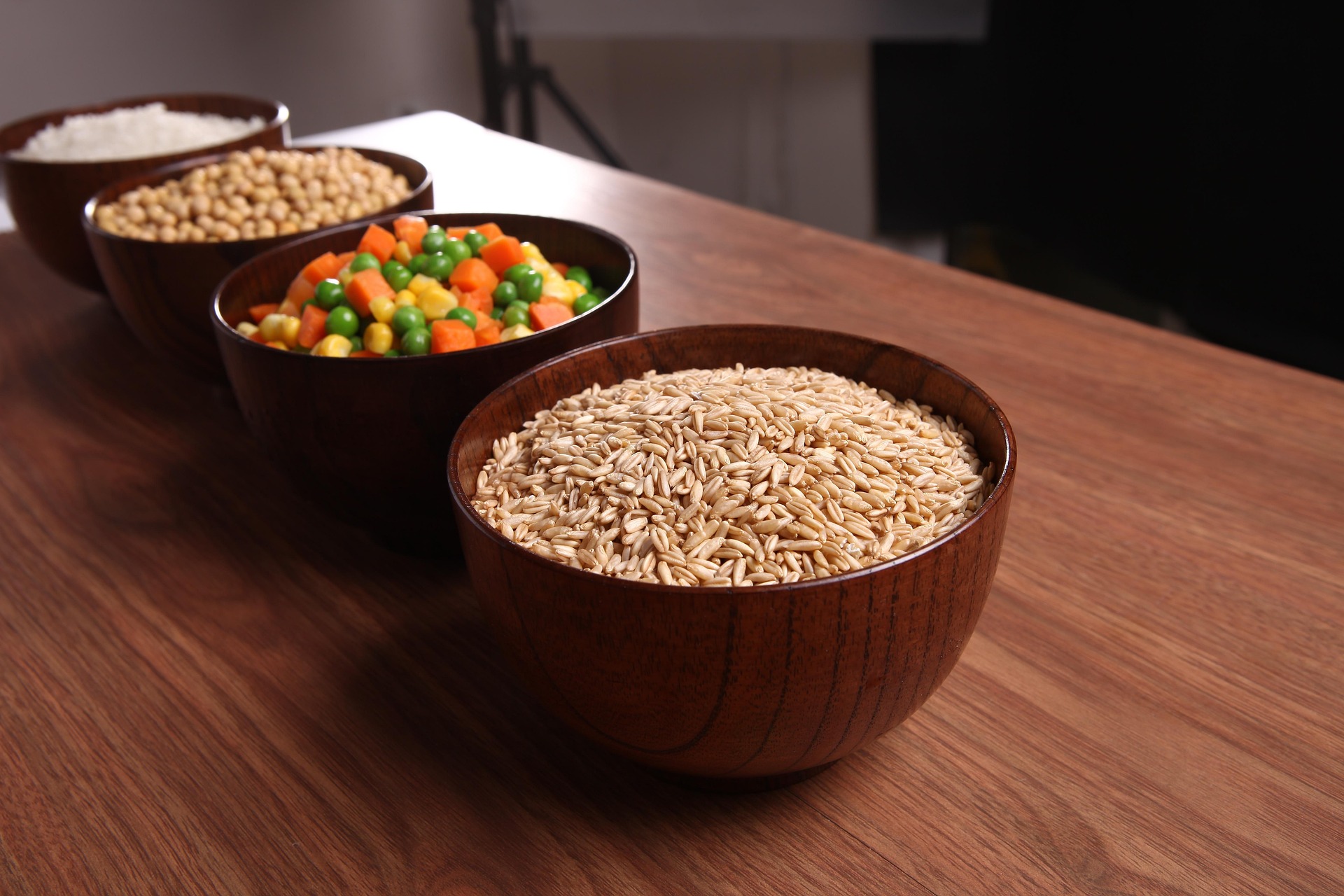
Lentils, chickpeas, and black beans provide a powerful combination of protein and fiber, helping to blunt post-meal glucose spikes.
Quick Recipe: Lentil Veggie Bowl ( approx cook time: 15 minutes)
Sauté mixed vegetables in olive oil, add cooked lentils, season with cumin and salt, and heat through. Ideal for lunch or dinner.
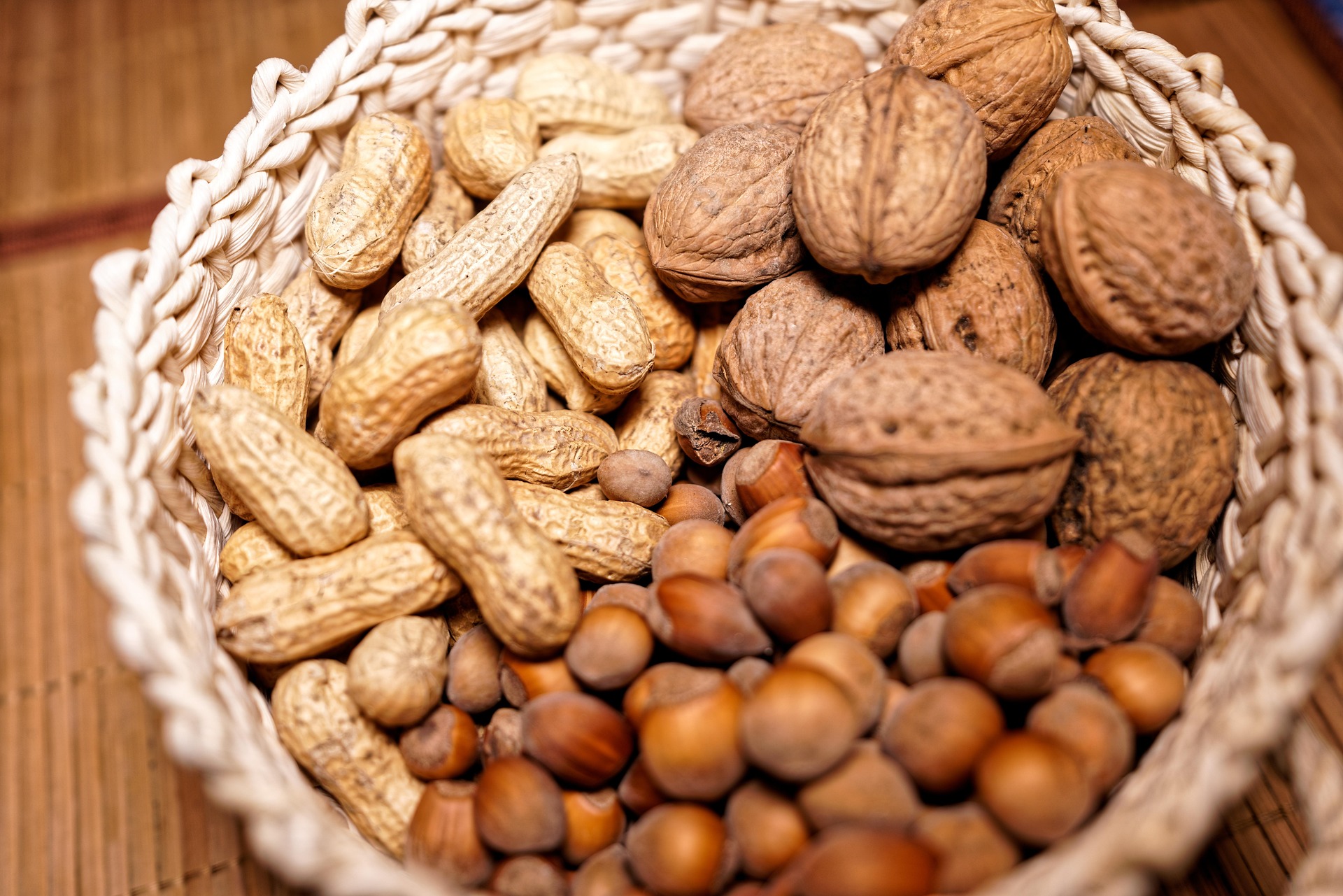
5. Nuts and Seeds
Almonds, walnuts, chia seeds, and flaxseeds support blood sugar control by slowing digestion and reducing insulin spikes. Eating just one ounce per day has been linked to improved glucose regulation.
Quick Recipe: Simple Snack Mix
Combine almonds, walnuts, and pumpkin seeds. Store in an airtight container. Stick to a small handful per serving.
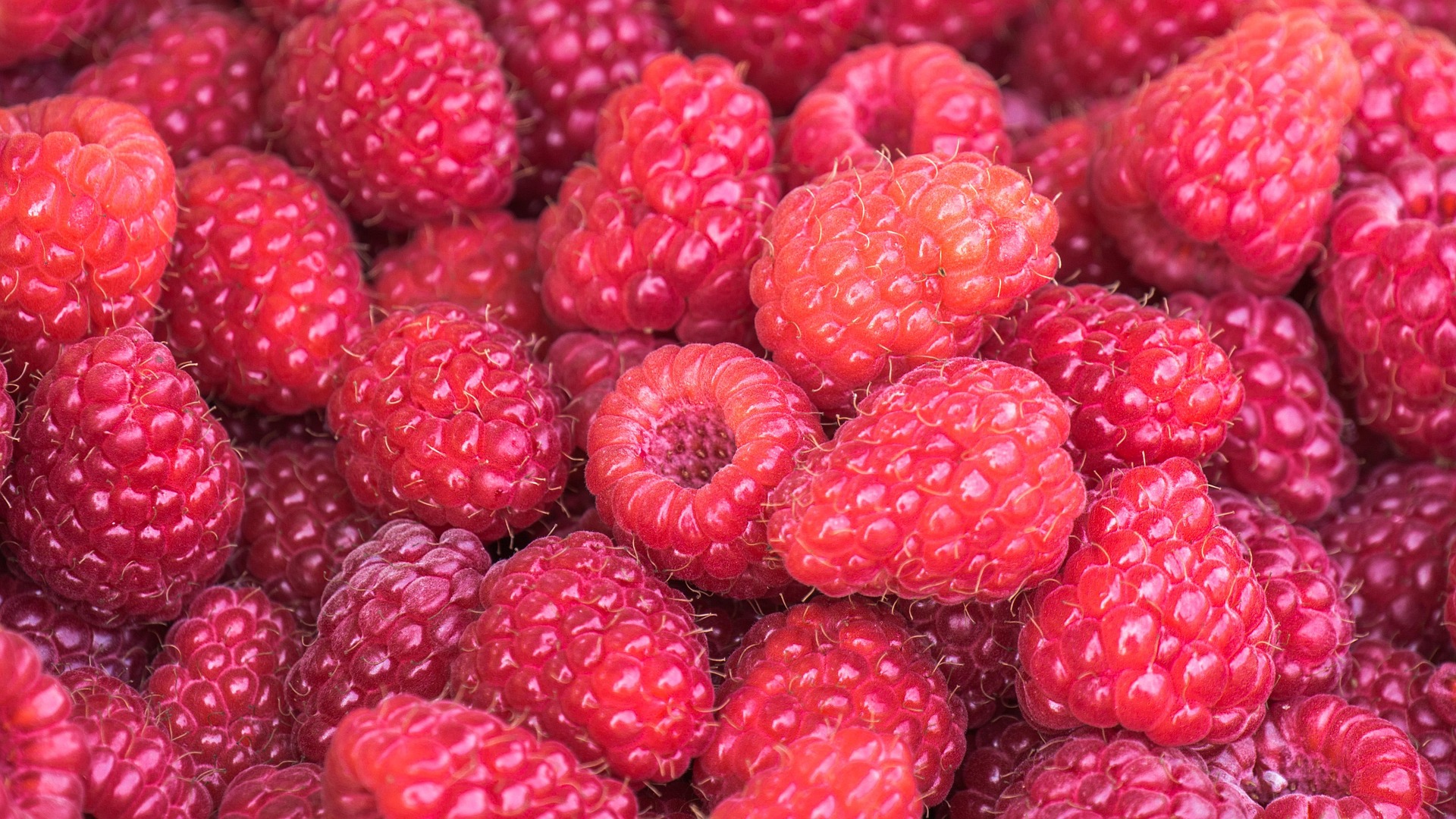
6. Berries
Berries are lower in sugar than most fruits and rich in antioxidants. Studies show they can reduce insulin resistance and post-meal blood sugar spikes, especially when eaten with protein.
Quick Recipe: Berry Yogurt Bowl (approx cook time: 5 minutes)
Mix unsweetened Greek yogurt with fresh or frozen berries and ground flaxseed. Works well as breakfast or dessert.
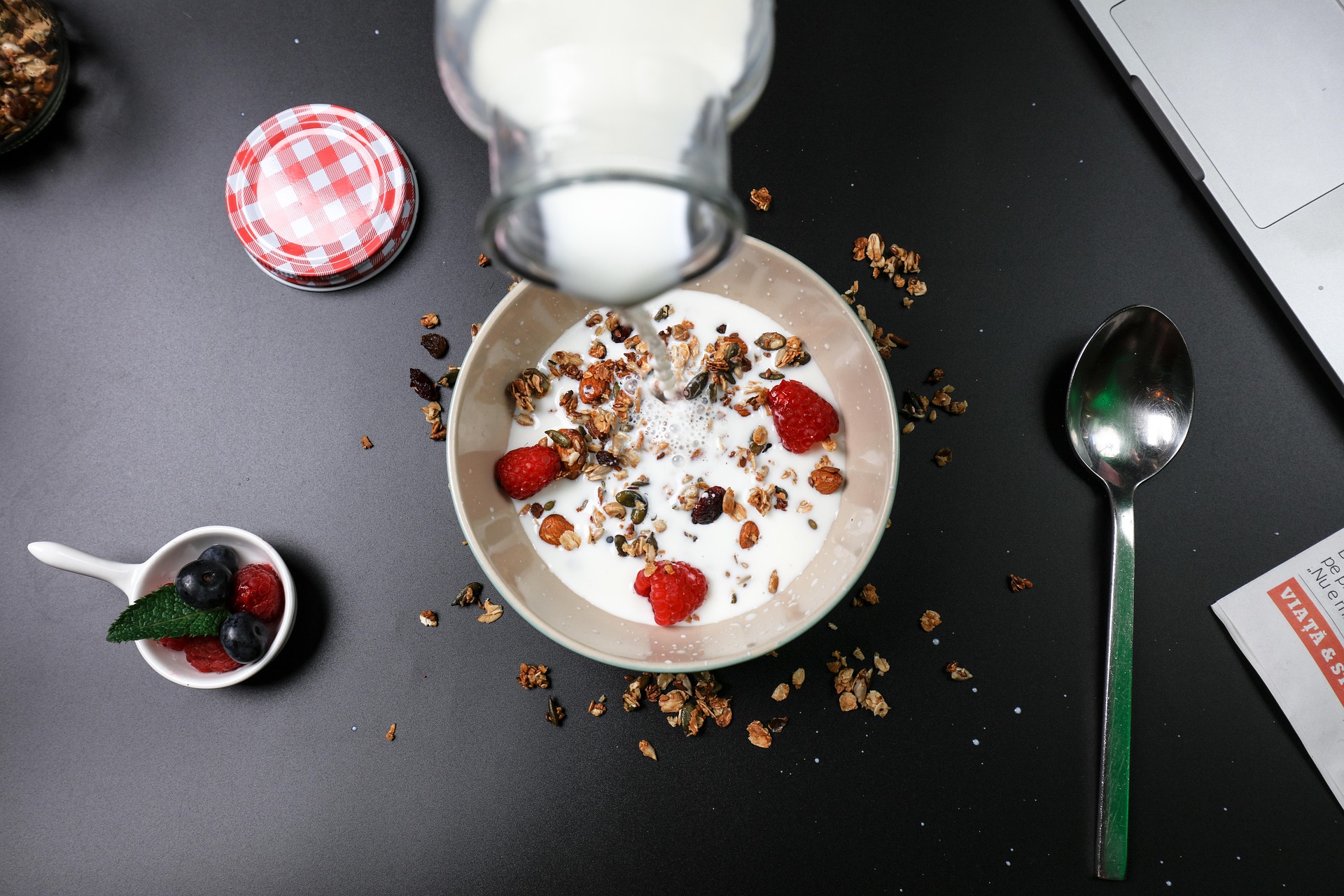
7. Unsweetened Greek Yogurt
High-protein dairy products slow digestion and reduce blood sugar fluctuations. Regular yogurt consumption has been linked to a lower risk of developing type 2 diabetes.
Quick Recipe: Protein Yogurt Bowl
Combine Greek yogurt with nuts, seeds, and cinnamon. Avoid sweetened varieties.
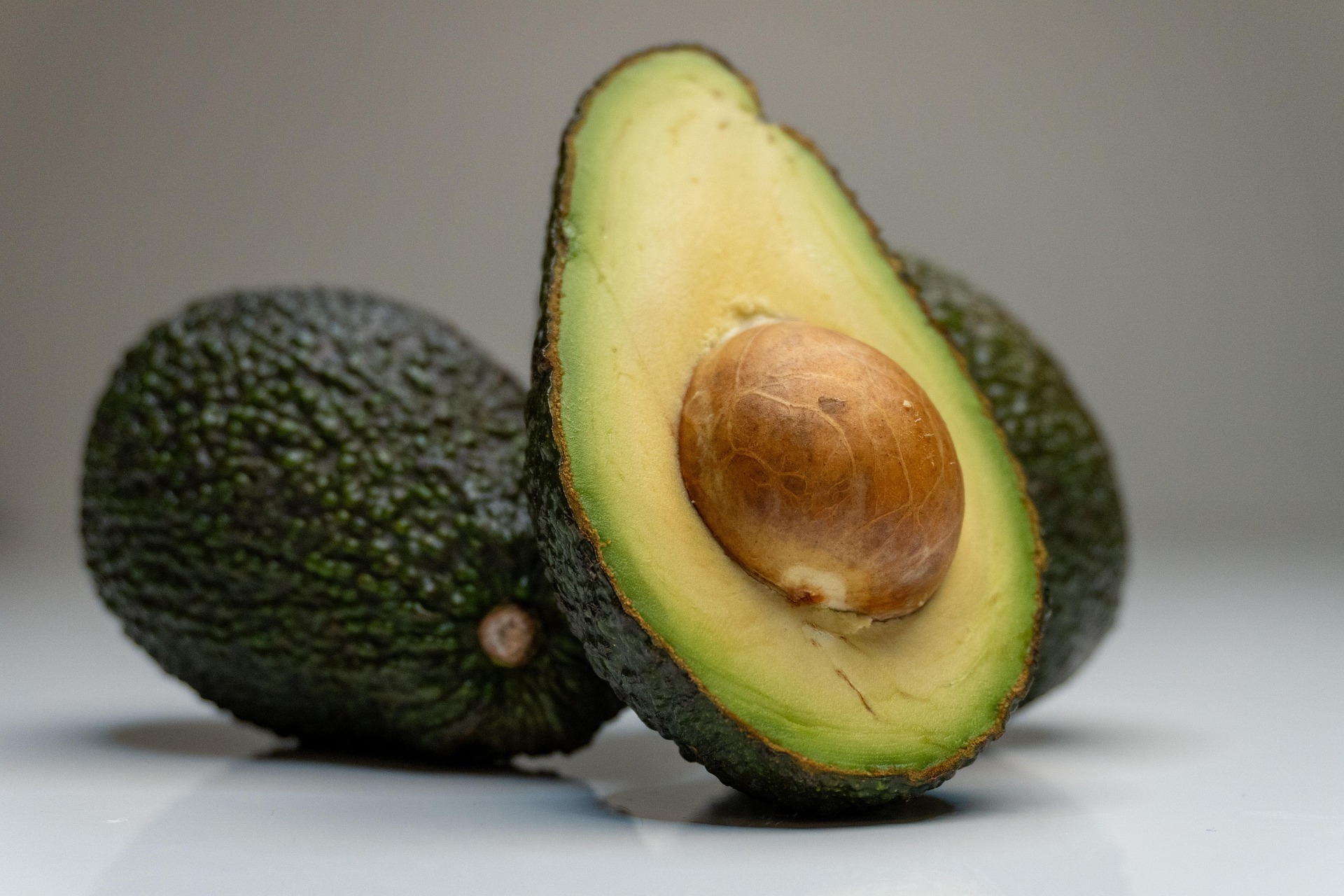
8. Avocados
Avocados are rich in fiber and monounsaturated fats, which help prevent blood sugar spikes and promote satiety. Adding avocado to meals has been shown to lower post-meal insulin levels.
Quick Recipe: Avocado Toast (Low-Glycemic Version)
Mash half an avocado with lemon juice and salt. Spread on whole-grain or sprouted bread. Add a poached egg for protein.
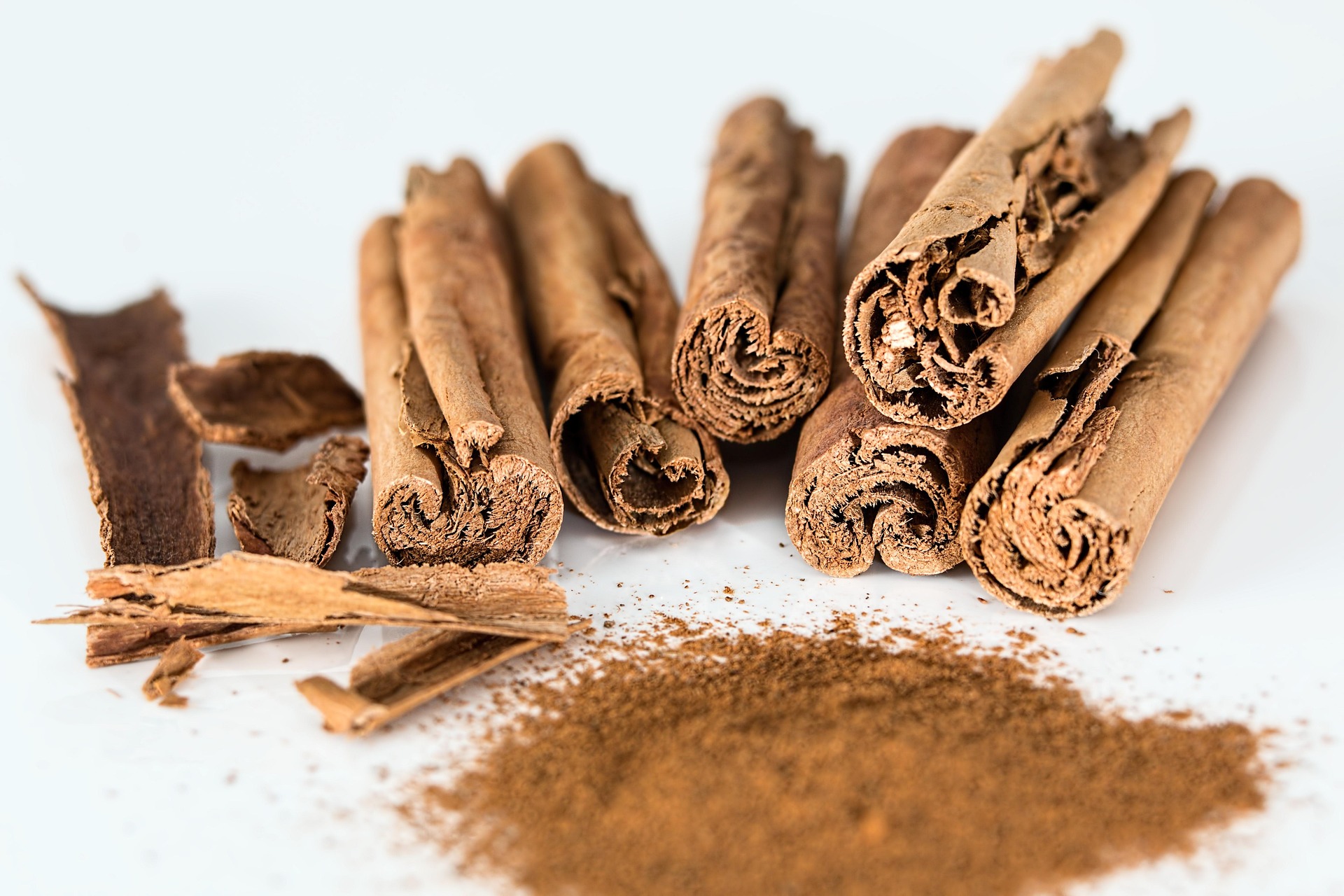
9. Cinnamon
Cinnamon may improve insulin sensitivity and lower fasting blood sugar by 10–20% when used consistently.
Quick Recipe: Cinnamon Add-In
Sprinkle cinnamon into oats, yogurt, smoothies, or coffee for a simple daily boost.
10. Apple Cider Vinegar
Apple cider vinegar has been shown to reduce post-meal blood sugar spikes by up to 34%, particularly after high-carbohydrate meals.
Quick Recipe: Apple Cider Vinegar Drink
Mix 1 tablespoon of apple cider vinegar into a large glass of water with a pinch of cinnamon. Drink before meals. Always dilute.

Foods to Limit for Better Blood Sugar Control
You don’t need to eliminate foods entirely, but limiting these helps significantly:
- Sugary beverages such as soda and sweetened coffee
- White bread, pastries, and refined grains
- Highly processed snacks with added sugars
Even small reductions can lead to noticeable improvements within weeks.
Wrap Up
Managing blood sugar without medication is not about taking extreme steps. It’s about staying consistent and balanced and making smart food choices.
By regularly including these 10 foods and using simple recipes like the ones above, you can:
- Reduce blood sugar spikes
- Improve energy and focus
- Lower long-term health risks
You should consult a medical professional, but remember this: small, sustainable changes add up faster than you think.

You’ve Been Lied To: 7 Carb Myths That Are Destroying Your Diet

Diet Plan Featuring Foods That Naturally Support Metabolism

How to Turn Your Favorite Cheat Meals into Healthier Versions
About Author
