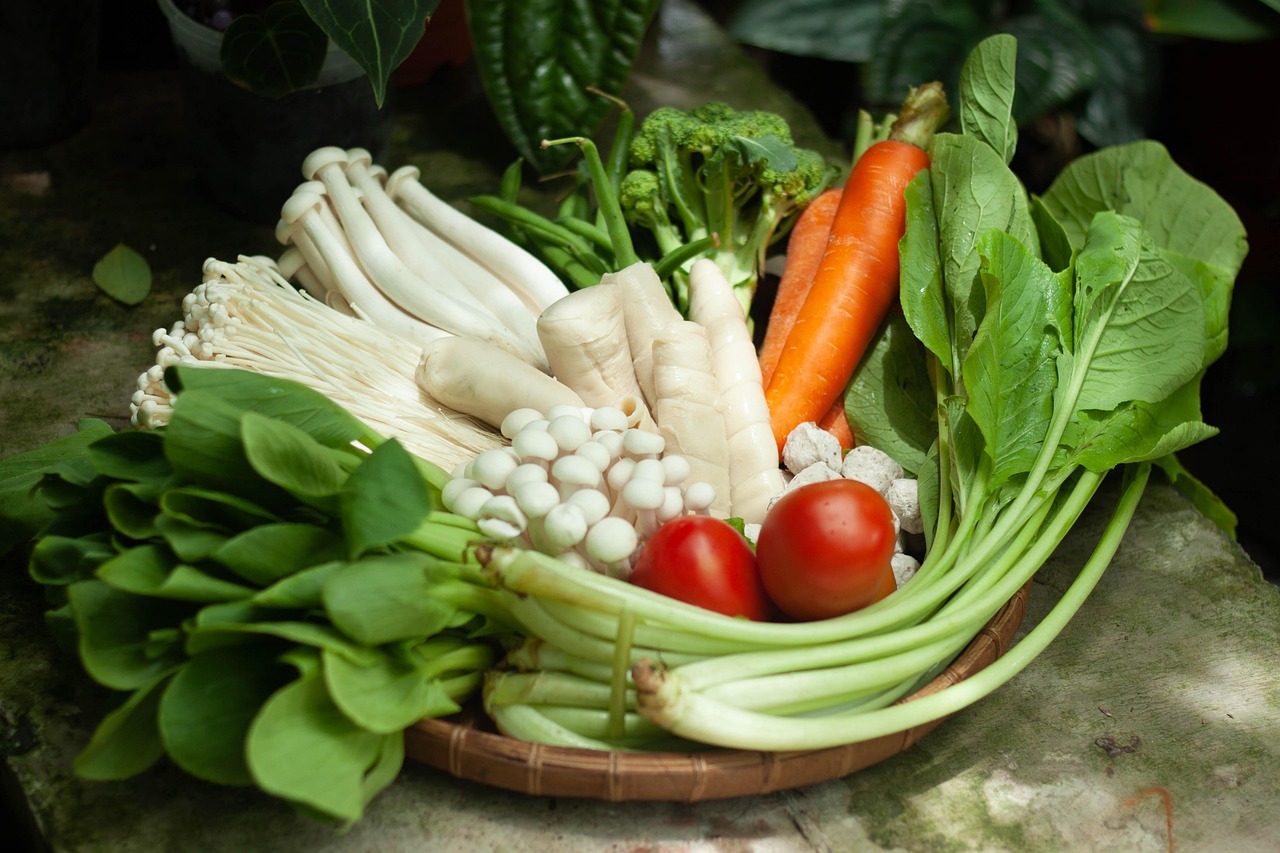
Struggling with Low Iron? 10 Vegetarian Foods That Can Actually Help
Iron deficiency seems to be the most common issue. It has been estimated that approximately 40% of women have iron deficiency, which later results in more complex health issues.
So, how would you know there is an iron deficiency in your body? Well, watch out for signs like constant tiredness, struggling to focus, getting dizzy when you stand up, or feeling unusually weak. Low iron might be at the root of it.
Iron deficiency is incredibly common, especially among vegetarians, vegans, or athletes who strictly adhere to a vegetarian diet only. And it is not unusual that you get to hear this a lot:
“You can’t get enough iron on a vegetarian diet.”
But that’s simply not true; however, it does require a bit more tweaking to your diet.
Let’s dig deep to understand how you can increase the intake of iron in your diet while being restricted to a vegetarian diet.
Why Iron Is So Important for Your Body
Before you get into which foods are best for iron intake, first, it’s important to understand why there is a need for iron in your body. The main purpose of iron is to increase the number of blood cells that carry oxygen from your lungs to the rest of your body. As soon as the iron levels drop, oxygen levels also drop.
The low iron level can result in:
- Energy levels (fatigue, weakness)
- Brain function (poor focus, brain fog)
- Exercise tolerance (shortness of breath)
- Immune health (getting sick more often)
A key factor:
Iron deficiency is the leading cause of anemia worldwide. The mild deficiency can still show some anemia effects and noticeable symptoms.
Understanding Iron on a Vegetarian Diet
Consuming iron comes in two forms:
- Heme iron: Is present in animal products and is easy to absorb.
- Non-heme iron: Found in plant-based foods, but is hard to absorb.
Vegetarian diets rely entirely on non-heme iron, which means absorption matters just as much as intake of iron. Moreover, there are some of the best gut-healing foods that improve iron absorption and promote gut health. You can only boost your iron level when your gut health is in perfect condition.
The good news?
You can improve absorption of iron with simple tweaks to your diet:
How to increase iron absorption:
- Pair iron-rich foods with vitamin C (this can increase absorption by up to 3–4 times)
- Cook leafy greens instead of eating them raw
- Avoid drinking coffee, tea, or red wine within 1–2 hours of iron-rich meals
- Space calcium supplements away from iron-rich meals
Think of iron as a nutrient that works more efficiently when taken with other nutrients. Let’s take a look at some of the best sources of iron that you can consume to boost iron levels in your body.
10 Vegetarian Foods That Can Actually Help Boost Iron
Consuming iron isn’t all about supplements. You can include iron-containing foods in your diet that easily fit into everyday meals.
1. Spinach and Other Leafy Greens
Leafy greens often get omitted due to their oxalate content, but they are still an excellent source of iron. Cooked spinach provides about 6–7 mg of iron per cup. You can incorporate spinach into your daily diet to boost the iron level in your body.
Why cooking spinach matters:
Cooked spinach is more beneficial than raw. It is because cooked spinach breaks down oxalates. The compound present binds iron and reduces absorption. This makes cooked greens a better choice than raw salads.
How to eat them:
- Sauté spinach with garlic and lemon
- Add to soups, curries, or pasta dishes
- Blend into smoothies with vitamin C-rich fruit
2. Lentils
Lentils are a vegetarian iron powerhouse, and every vegetarian. Lentils consist of about 6.6 mg of iron per cooked cup. Lentil is an excellent source of:
- A protein that aids in muscle and tissue repair
- Folate is essential for red blood cell formation
- Fiber for gut health and blood sugar control
How can you include lentils in your diet? Start by intaking:
- Lentil soups and stews
- Lentil-based pasta or veggie burgers
3. Chickpeas
Chickpeas are widely used and the most affordable source of iron. It approximately consists of 4–5 mg of iron per cooked cup. However, for better absorption, you can consume it with lemon juice or tomatoes with chickpea dishes to boost iron uptake.
Chickpea recipe ideas:
- Hummus with red peppers
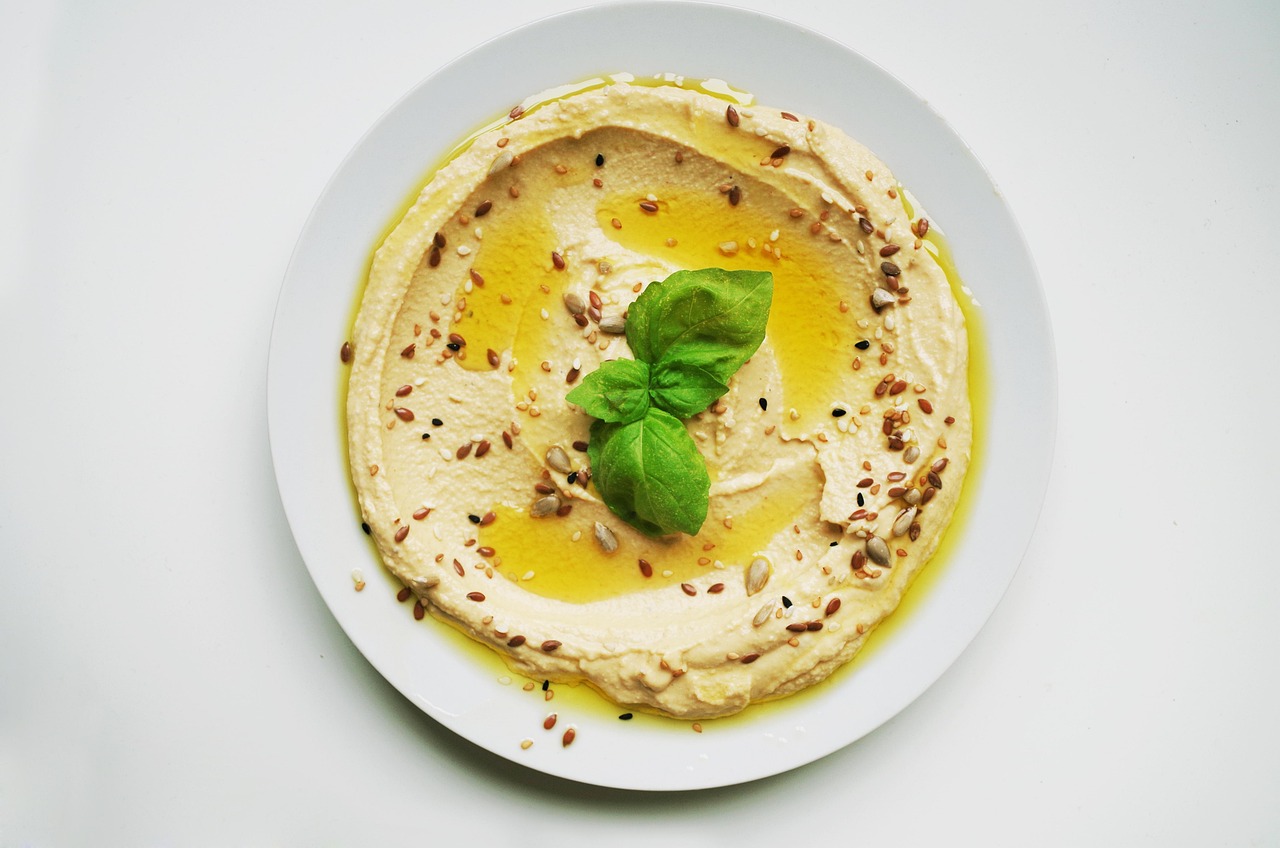
Nutritional benefits
- Chickpeas: excellent source of iron + plant protein
- Red peppers: very high in vitamin C
- Tahini: adds healthy fats that help with satiety
Ingredients
- 1½ cups cooked chickpeas (or 1 can drained and rinsed)
- ½ cup roasted red peppers (jarred or homemade)
- ¼ cup tahini
- 2–3 tablespoons fresh lemon juice
- 1–2 cloves garlic
- 2–4 tablespoons olive oil
- ½ teaspoon ground cumin
- Salt to taste
- 2–4 tablespoons cold water (for creamy texture)
Instructions
- Add chickpeas, roasted red peppers, tahini, lemon juice, garlic, cumin, and salt to a mixer.
- Blend until smooth, and scoop out the paste from the container.
- While the processor is running, slowly drizzle in olive oil.
- Add cold water one tablespoon at a time until the hummus reaches your desired creamy consistency.
- Taste and adjust salt or lemon juice as needed.
- Serve with sliced bell peppers, carrots, whole-grain pita, or breadsticks.
Hummus is a perfect staple if you’re looking for something for evening snacking. It is an excellent energy booster and can be a perfect dip for your meals too.
- Chickpea salads
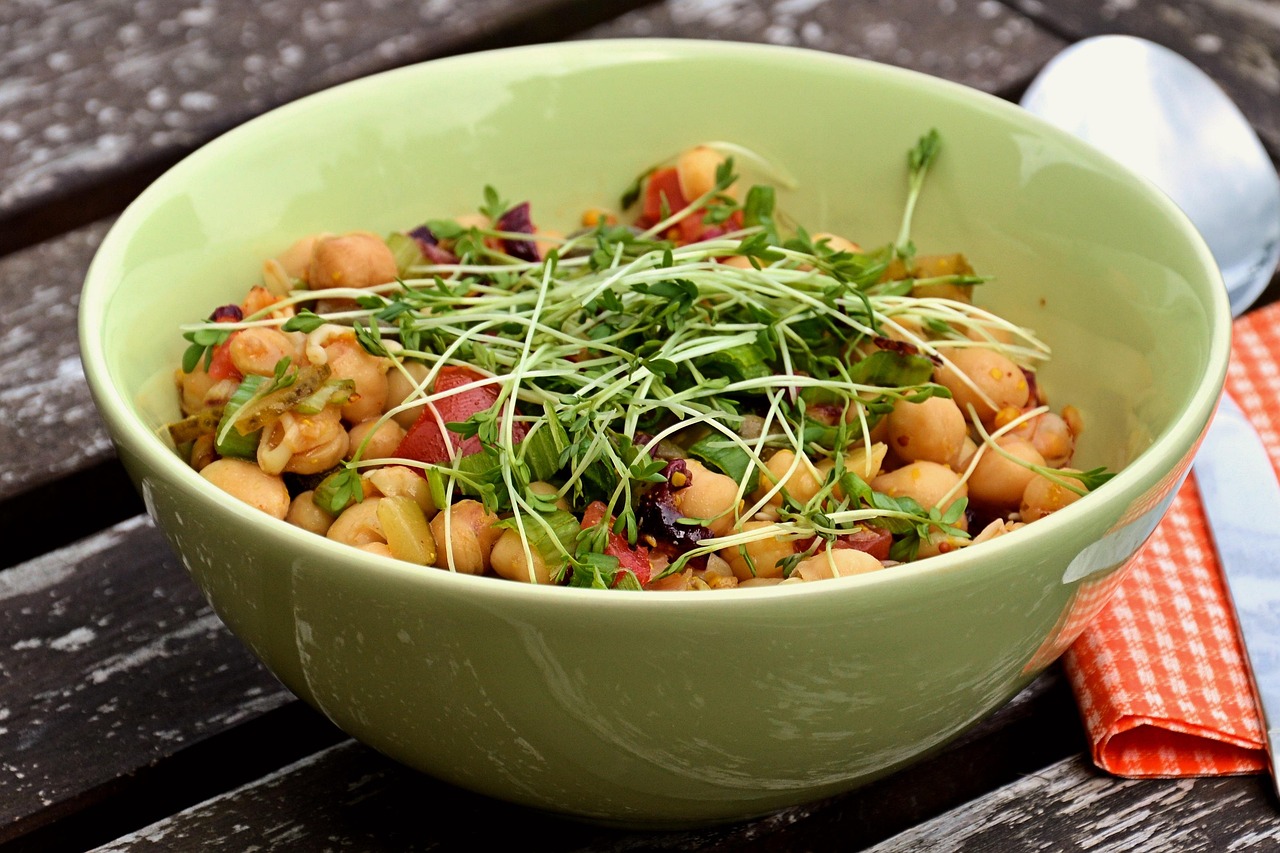
- Nutritional benefits:
- Chickpeas provide iron and fiber
- Lemon juice and tomatoes are excellent for vitamin C
- Olive oil helps nutrient absorption
Ingredients
- 1½ cups cooked chickpeas
- 1 cup cherry tomatoes, halved
- ½ cup cucumber, diced
- ¼ cup red onion, finely chopped
- ¼ cup fresh parsley or cilantro, chopped
- 1 avocado, diced (optional)
Lemon Dressing
- 2 tablespoons olive oil
- 1½ tablespoons fresh lemon juice
- ½ teaspoon ground cumin
- Salt and black pepper to taste
Instructions
- In a large bowl, combine chickpeas, tomatoes, cucumber, onion, herbs, and avocado. You can also add any other vegetable of your choice.
- In a small bowl, prepare the dressing. Start by adding olive oil, lemon juice, cumin, salt, and pepper.
- Pour dressing over the salad and toss gently until evenly coated.
- Let the salad sit for 10–15 minutes before serving to allow flavors to blend.
4. Tofu and Tempeh
Soy-based foods are excellent iron sources, especially for vegetarians. Tofu consists of 3–6 mg ½ of iron per cup. Tempeh slightly has higher iron levels. Benefits of tofu and tempeh include:
- High-quality protein
- Calcium (in calcium-set tofu)
- Fermentation in tempeh improves mineral absorption
5. Pumpkin Seeds
Pumpkin seeds are an excellent source of plenty of nutrients. From magnesium to iron, pumpkin seeds consist of approximately 2.5 mg iron per ¼ cup. Moreover, pumpkin seeds also consist of Zinc that is very important for immunity boost.
How to include pumpkin seeds in your diet:
- You can sprinkle it on oatmeal or yogurt
- Add to salads or grain bowls
- Blend into seed butter or pesto
6. Quinoa
Quinoa is one of the few plant foods that provides complete protein. It consists of 2.8 mg iron per cooked cup. You can rinse quinoa thoroughly before cooking to remove saponins, which can interfere with mineral absorption.
7. Iron-Fortified Cereals and Grains
Fortified foods can make a huge difference, especially for those with higher needs. The iron content ranges from 4 to 18 mg per serving. However, it completely depends on the product.
What to look for:
- At least 25–50% Daily Value for iron
- Lower added sugar
- Whole grains, when possible
You can also pair it with fruit instead of milk for better nutrients.
8. Beans (Kidney, Black, Pinto, Navy)
Beans are a staple in iron-supportive vegetarian diets. It consists of approximately 4–5 mg of iron per cooked cup. You can add beans to plenty of food items, such as salads, or have them as a snack. Make sure you soak the beans and thoroughly cook them to reduce phytates, improving mineral absorption.
9. Dried Fruits (Apricots, Raisins, Prunes)
Drying fruit concentrates both nutrients and calories, making it an excellent snack. Dry fruits consist of approximately 2 mg iron per ½ cup. They also contain fiber and antioxidants, but portion control is important. Pair with nuts or seeds for balanced snacks. Dry fruits can be an ideal and on-the-go snack that keeps you full even while on a diet.
10. Dark Chocolate
Yes, dark chocolate contains 70% or more iron. A single block of dark chocolate approximately consists of 3 — 3.5 mg of iron per ounce. It consists of very little or no added sugar. Dark chocolate offers plenty of nutrient benefits and minerals.
Sample Iron-Supportive Vegetarian Diet
- Breakfast: For breakfast, you can go for fortified cereal with strawberries, bananas or nuts of your choice.
- Lunch: Lentil soup with a citrus or fresh vegetable salad.
- Snack: Pumpkin seeds and dried apricots on the go will keep you full.
- Dinner: Tofu stir-fry with bell peppers and quinoa
Trying out different combinations with iron-rich foods can keep your vegetarian diet balanced and fulfilled.
When to Consider Supplements or Testing
In some cases, iron-deficiency symptoms can still persist even if you have made the dietary change. That is when you need to take a blood test.
Do not self-prescribe iron supplements; instead, seek professional help as excess iron consumption can cause digestive issues and organ damage. A healthcare provider or registered dietitian can guide proper treatment
Key Takeaway
Low iron level doesn’t mean vegetarian diets are not beneficial or inadequate; it simply means it needs better planning and pairing. By following the above mentioned guide and iron-rich food you can simply increase the iron level while staying on the vegetarian diet plan.
With the right food choices and absorption tips, vegetarian diets can fully support healthy iron levels and boost long-term energy.

How to Turn Your Favorite Cheat Meals into Healthier Versions

The Ultimate Food And Nutrition Guide During Isolation

Can’t Afford a Cheat Day? Here Are 7 Desserts You Can Eat on a Diet
About Author
