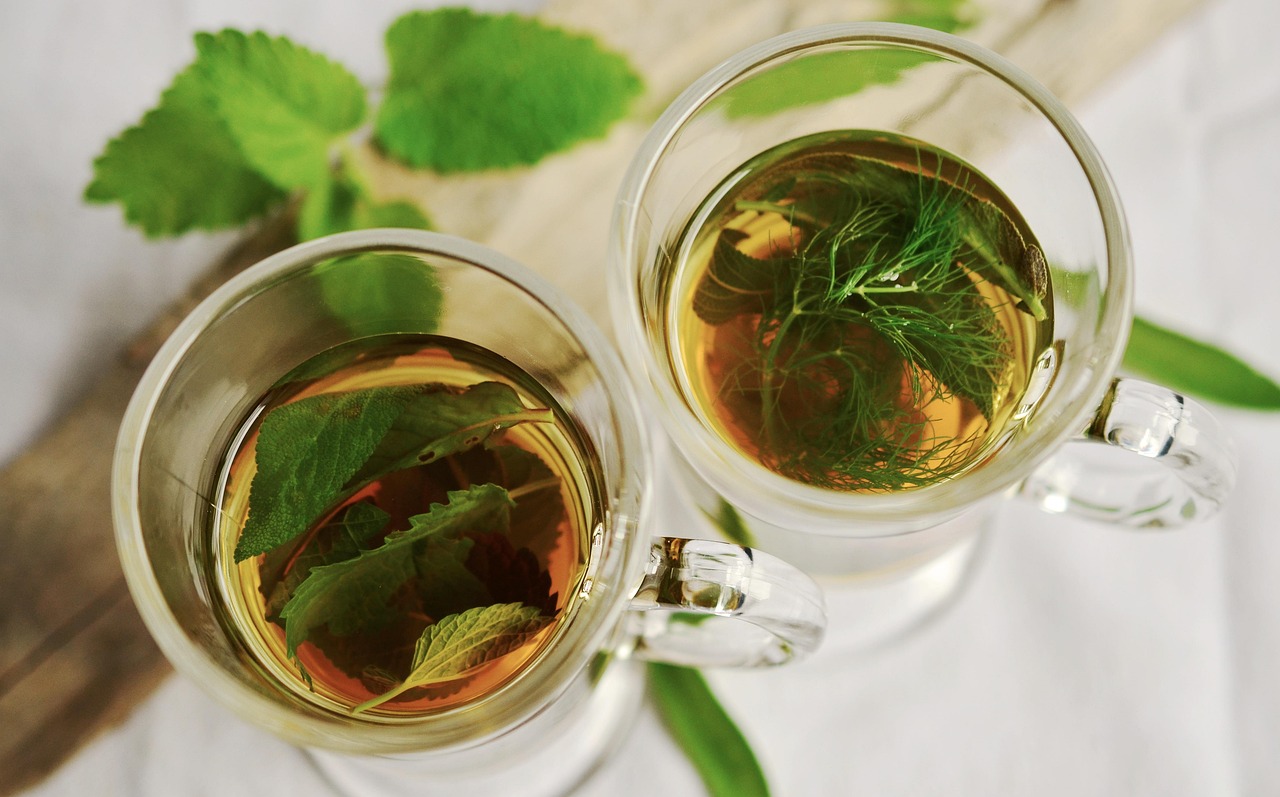
Herbal Teas That Support Better Sleep and Reduce Stress
There is a deep connection between sleep and stress.
Whenever you feel sleep deprived, know that your sleep cycle is disturbed.
When your stress level rises, the sleep cycle gets affected. And when sleep suffers, stress hormones increase even more. This is common in adults.
In fact, surveys show that 35–40% of adults struggle with insomnia symptoms, and chronic stress is the main reason for this.
This is where herbal teas come in as a cure. It calms your nervous system, reduces tension, and promotes more restful sleep. Including herbal teas in your routine can support sleep health. It is observed that herbal teas can make your routine more comfortable and relaxed.
But does every herbal tea offer the same benefits? Let’s take a look at some of the most effective teas that can reduce stress and promote sound sleep.
8 Herbal Teas You Need to Include in Your Routine
There are various types of herbal teas you can include in your routine. But each comes with its own benefits. You need to figure out which suits your lifestyle more and offers better benefits.
Some of the most effective herbal teas are
-
Chamomile Tea: A Calming, Sleep-Inducing Classic
Chamomile is one of the best known herbs for relaxation. It contains a natural antioxidant called apigenin, which binds to receptors in the brain that influence sleepiness and reduce anxiety. Some studies show chamomile may modestly improve sleep quality, especially if you’re experiencing chronic stress or mild insomnia.
How it supports sleep and stress:
- Helps relax the central nervous system
- Reduces mild anxiety
- Supports a smoother transition to sleep rather than sudden sedation
How to use it daily:
Chamomile works best when you take it daily. A cup brewed 30–45 minutes before bed can help achieve mental peace. To create a stronger effect, you can steep the tea longer than usual, around 6–8 minutes. Add a small amount of honey or lemon to enhance the calming experience.
-
Lavender Tea: Aromatherapy in a Cup
Lavender offers multiple internal benefits that go beyond just a soothing scent. It contains compounds like linalool and linalyl acetate, which have been shown to reduce heart rate, ease muscle tension, and lower perceived stress.
How it supports sleep and stress:
- Naturally relaxes the mind and body
- Can reduce physical tension that interferes with sleep
- Supports emotional relaxation and stress resilience
How to use it daily:
Lavender tea is ideal after dinner or closer to bedtime. If the pure floral taste is too strong, it blends well with chamomile or lemon balm. Loose dried lavender flowers often offer a more balanced flavor and aroma than pre-made tea bags.
-
Lemon Balm Tea: Gentle Mood Regulation
Lemon balm is part of the mint family and has been used for centuries to calm the nervous system. It contains rosmarinic acid, a compound known to increase GABA levels in the brain. GABA is a neurotransmitter that slows overactive thinking and helps the body unwind.
Some research indicates that lemon balm may reduce anxiety symptoms by up to 15–20% in certain populations, making it a helpful daytime stress-relief option as well.
How it supports sleep and stress:
- Eases nervousness and emotional tension
- Helps regulate mood during mentally demanding days
- Reduces restlessness that often delays sleep onset
How to use it daily:
Lemon balm can be consumed during the day to manage stress levels or in the evening as part of a wind-down routine. It also works well iced, making it an excellent non-caffeinated daytime beverage for individuals who experience stress-related irritability or overthinking.
-
Valerian Root Tea: A Deep Sleep Enhancer
Valerian root is often referred to as a “natural sedative,” although technically it works by indirectly increasing the availability of GABA in the brain. This promotes deeper, more restorative sleep.
Some studies show moderate improvements in sleep latency (the time it takes to fall asleep) and sleep quality with consistent use over several weeks.
How it supports sleep and stress:
- Useful for individuals who have difficulty falling asleep
- Encourages deeper sleep cycles
- Helps calm physical agitation and tension
How to use it daily:
Valerian root is best consumed 30–60 minutes before bedtime. It has a naturally strong, earthy taste, so many people prefer it blended with milder herbs like chamomile or passionflower. Because valerian can be quite potent, it’s not typically used during the day.
-
Passionflower Tea: Calming an Overactive Mind
Passionflower is particularly effective for people who struggle with intrusive thoughts or mental overstimulation at night. It appears to increase GABA activity and reduce neural excitability, making it easier for you to calm down and sleep peacefully.
Some users find that passionflower helps them stay asleep longer, not just to sleep faster.
How it supports sleep and stress:
- Reduces mental chatter
- Helps stabilize cycles of waking throughout the night
- Supports emotional calm and a more “quieted” mind
How to use it daily:
Passionflower can be used alone or combined with valerian for a stronger nighttime formula. It works best on nights when the mind feels overstimulated or when sleep is interrupted frequently.
-
Ashwagandha Tea: An Adaptogen for Chronic Stress
Ashwagandha is widely used in Ayurvedic practice as a stress-regulating herb. As an adaptogen, it helps the body respond more effectively to stress by supporting the adrenal glands and balancing stress hormones such as cortisol.
How it supports sleep and stress:
- Helps regulate chronic stress responses
- Supports more stable energy during the day
- Improves sleep quality when used consistently over time
How to use it daily:
Unlike strictly sedating herbs, ashwagandha can be consumed in the afternoon or evening. Many people enjoy it blended with milk or plant-based milk to create a warm, grounding beverage. It pairs well with cinnamon or nutmeg.
-
Peppermint Tea: Relaxing the Body to Relax the Mind
Peppermint doesn’t induce sleep directly, but it helps ease physical tension, digestive discomfort, and headaches, all common barriers to a restful night. Sleep and digestion are closely linked, and poor nighttime digestion can significantly impact sleep quality.
How it supports sleep and stress:
- Relaxes smooth muscles, reducing physical tension
- Helps ease digestive discomfort that interferes with sleep
- Provides a cooling, refreshing sense of relief after long days
How to use it daily:
Peppermint tea is ideal after meals or when physical stress manifests as headaches or muscle tightness. It can be safely consumed during the day since it is non-sedating and caffeine-free. Many people use peppermint as a bridge between daytime activity and evening wind-down.
-
Tulsi (Holy Basil) Tea: Stress Regulation and Mental Clarity
Tulsi is another adaptogen commonly used in traditional herbal medicine. It supports the body’s stress response, reduces inflammation, and promotes mental clarity. In some small studies, Tulsi has been shown to reduce stress, generalized anxiety, and fatigue by around 25–30% when used regularly. Just like tulsi tea, matcha is also known for stress regulation and energy boosts. You can enjoy several benefits of matcha to kickstart your mornings in a productive manner.
Nonetheless, Tulsi is best for sleep and stress regulation.
Here’s how it helps:
- Helps stabilize stress responses
- Improves emotional resilience
- Supports mental clarity and a calmer mood throughout the day
How to use it daily:
Tulsi can be consumed in the morning to promote calm focus or in the evening to unwind. It has a slightly spicy, warming flavor that pairs well with ginger or cardamom. Because it is an adaptation, consistency matters more than timing.
Creating a Practical Daily Routine
To get meaningful benefits, herbal teas should be integrated thoughtfully into your day, not used on occasion. A simple guideline is
For daytime stress:
Peppermint, lemon balm, or tulsi.
For evening relaxation:
Chamomile, lavender, and lemon balm.
For deeper sleep support:
Valerian or passionflower.
Combining these herbs can also be effective as long as the blends are compatible. Many ready-made “sleep teas” use chamomile as a base, with passionflower or valerian added for additional support.
Final Word
Herbal teas are the best way to boost sleep quality and manage daily stress levels. However, it all comes down to how consistent you are.
By understanding how herbal tea works and how you can add it to your routine, you can create a personalized system that improves emotional balance and promotes more restorative sleep over time.

Top Secrets for Losing Weight after 50 for Women

Everything You Need To Know About The Seated Leg Press

11 Delicious Alternatives to Coffee and their Health Benefits
About Author
