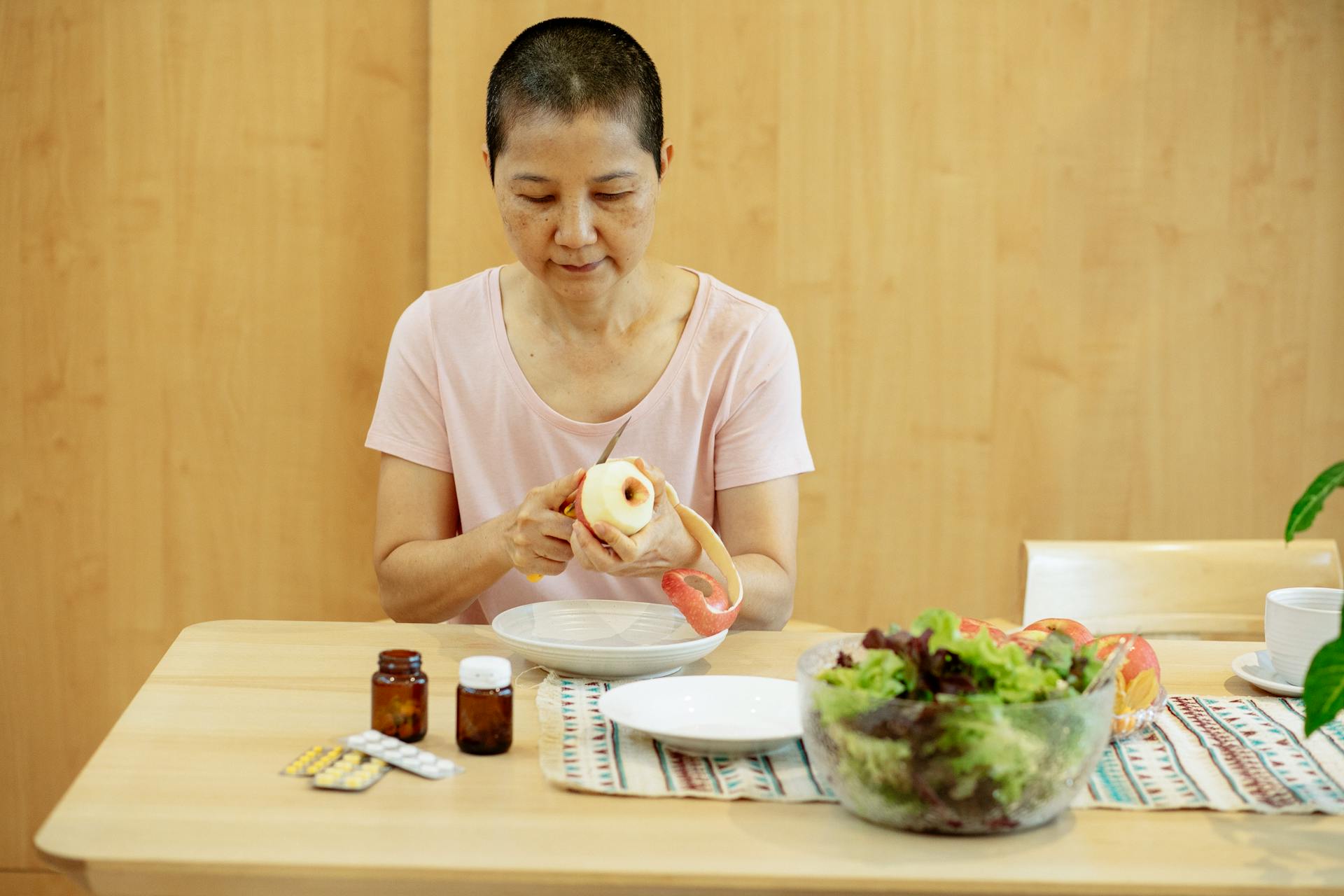
Best Diet for Breast Cancer: Foods That Support Healing, Strength, and Recovery
Can a healthy diet for breast cancer help you recover Certain fruits and vegetables can help reduce the risk of breast cancer. Explore the best diet for breast cancer and increase your survival rate.
A breast cancer diagnosis can be life-changing, not just for patients but also for their families. If you or your loved one has been diagnosed with breast cancer, you probably have a lot of questions and fears. You will wonder that beyond medical treatments such as surgery, chemotherapy, and radiation, one of the most powerful tools to support healing and recovery is nutrition.
Several studies have shown that good nutrition reduces the risk of many chronic diseases, including breast cancer, and improves quality of life. Of course, early detection and diagnosis can increase survival rates but eating a balanced diet during and after cancer treatment plays a crucial role in helping your body stay strong, boost immunity, and reduce the risk of cancer recurrence.
Let’s explore in detail what is the best diet for breast cancer, why does it matter, what are the best foods to eat or avoid during breast cancer treatment.
Why Does Diet Matter in Breast Cancer?
Your body needs extra energy and nutrients during cancer treatment. The goal of following an anticancer diet is to fuel your body with nourishing foods. A balanced diet can have a range of benefits, including:
- Strengthen your immune system
- Help maintain a healthy body weight
- Reduce treatment side effects like fatigue and nausea
- Support tissue repair and recovery
- Improve overall mood and energy levels
Several studies have shown that certain foods, especially those rich in antioxidants, fiber, and phytonutrients, can help lower inflammation and slow the growth of cancer cells.
What Is a Breast Cancer-Friendly Diet?
A breast cancer diet focuses on whole, plant-based foods, lean proteins, and healthy fats while minimizing processed foods and added sugars. It’s not a strict anticancer diet but rather a balanced eating plan that supports your overall health and treatment journey.
The best diet for breast cancer includes different types of foods, including a variety of fruits and vegetables, starchy food, high-fiber diet, protein diet, whole-grain options, and dairy products.
Foods to Eat for Breast Cancer
1. Fruits and Vegetables
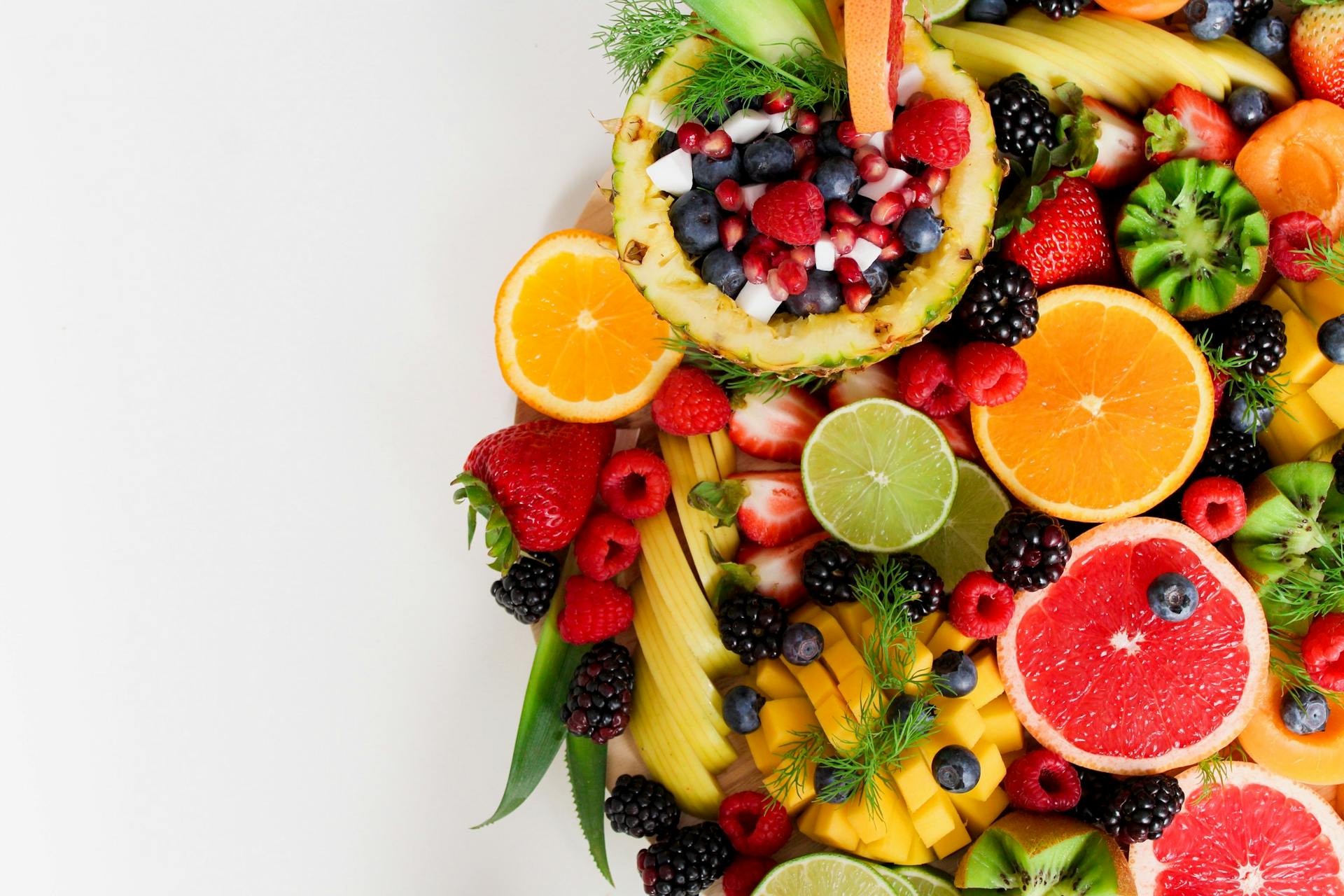
Aim for a colorful variety; each color provides different nutrients and antioxidants.
- Cruciferous vegetables (broccoli, cauliflower, kale, and Brussels sprouts) contain phytochemicals and sulforaphane, which may help block cancer cell growth.
- Leafy greens (spinach, kale, and collard greens) are rich in folate and vitamins A, C, and K.
- Berries (blueberries, strawberries, and raspberries) are packed with antioxidants that protect cells from damage.
- Citrus fruits provide vitamin C to boost the immune system.
Tip: Try to fill half your plate with fruits and vegetables at every meal.
2. Whole Grains

Whole grains are excellent sources of fiber, complex carbohydrates, and phytochemicals, which can help regulate hormones and improve digestion.
- Brown rice
- Oats
- Quinoa
- Whole wheat bread and pasta
Fiber also helps maintain a healthy weight, a key factor in reducing breast cancer recurrence risk.
3. Lean Proteins
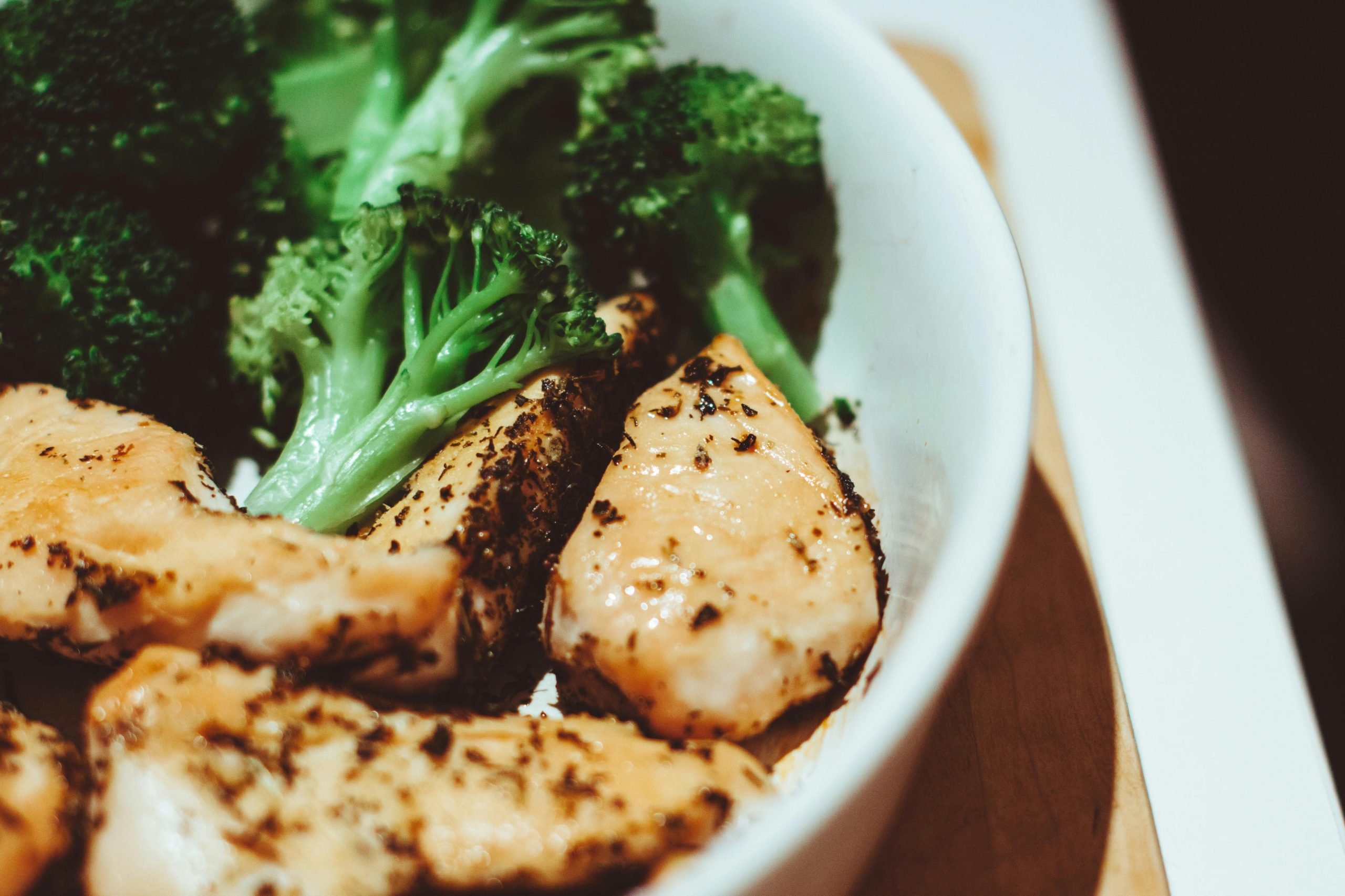
Protein helps rebuild tissues and maintain muscle mass, which can decline during treatment.
- Fish (salmon, sardines, mackerel) for omega-3 fatty acids that reduce inflammation
- Poultry (chicken, turkey)
- Legumes (beans, lentils, chickpeas) for plant-based protein and fiber
- Eggs and tofu for versatile protein options
4. Healthy Fats

Good fats are essential for hormone balance and heart health. Adding healthy foods to your diet can reduce the risk of breast cancer. According to a study, the highest intake of omega-3 fatty acids can reduce the risk of breast cancer. These foods are rich in healthy fats:
- Avocados
- Nuts and seeds (walnuts, flaxseeds, chia seeds) are rich in omega-3 fatty acids
- Olive oil instead of butter or margarine
Avoid trans fats and saturated fats found in fried foods and processed snacks.
5. Dairy Products

Choose low-fat or non-dairy options fortified with calcium and vitamin D. Dairy products contain probiotics, which possess immune-enhancing effects and reduce the risk of breast cancer. These nutrients support bone health, especially if you’re on hormone therapy that can weaken bones.
Foods to Limit or Avoid
While moderation is key, some foods may interfere with recovery or increase inflammation. So, it is advised to know what foods you should avoid with breast cancer. When your loved one is suffering from breast cancer, reduce the intake of the following foods:
- Processed meats (bacon, sausages, hot dogs) are linked to higher cancer risk
- Refined sugars and sweets can lead to weight gain and blood sugar spikes
- Alcohol, even small amounts can increase estrogen levels, raising breast cancer risk
- High-fat fried foods may cause inflammation and digestive discomfort
Diet Tips During and After Breast Cancer Treatment
1. Stay Hydrated
Drinking plenty of water, herbal teas, or clear soups during cancer treatment is important for preventing dehydration. Avoid caffeinated beverages, as too much caffeine can lead to dehydration. Try to drink at least 2 liters of fluid daily.
2. Eat Small, Frequent Meals
Okay, it is one of the most effective weight loss tips that ensures your body is getting enough calories throughout the day. During cancer treatment, your body needs enough nutrition to tolerate treatment. Smaller meals help manage treatment-related nausea and maintain energy.
3. Include Protein at Every Meal
Protein-rich foods are the best diet for breast cancer, as they support muscle repair and immune health. Protein helps your body to recover from illness and fight back the disease with extra energy. Some protein-rich foods are:
- Lean meats such as chicken, fish, or turkey
- Eggs
- Low-fat dairy products such as milk, yogurt, and cheese or dairy substitutes
- Nuts and nut butters
- Beans
- Soy foods
4. Opt for Easy-To-Digest Foods
Cancer treatments such as chemotherapy, radiation, and hormone therapy can take a toll on the digestive system. These treatments often affect appetite, taste, and how well your body processes and absorbs nutrients. That’s why choosing easy-to-digest foods can help your body get the nourishment it needs without adding stress to your digestive tract.
Easy-To-Digest Foods
- Oatmeal or cream of rice
- Mashed potatoes or sweet potatoes
- Bananas, applesauce, or canned peaches
- Yogurt, smoothies, or milk alternatives
- Soups, stews, or bone broth
- Soft proteins like scrambled eggs, tofu, or baked fish
Opting for easy-to-digest foods during breast cancer treatment helps your body manage nausea and loss of appetite and prevent digestive irritation. By being gentle on your stomach, these foods make it easier to keep eating regularly, supporting recovery, healing, and overall well-being during treatment.
Consult a dietitian, as a cancer nutritionist can tailor your diet to your treatment plan and needs.
What to Eat During Breast Cancer Treatment
Breast Cancer-Friendly Menu
Breakfast:
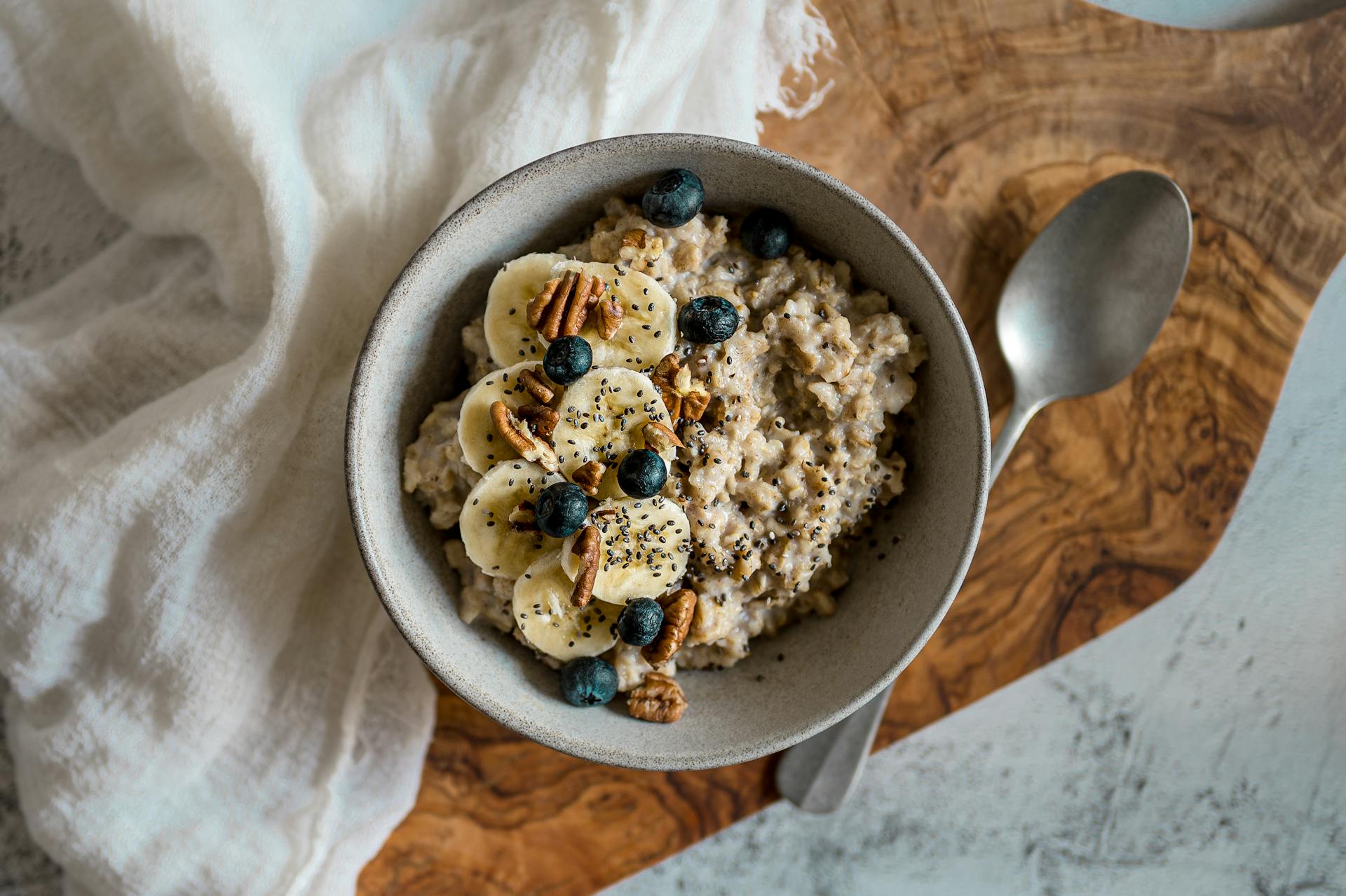
Oatmeal topped with blueberries, chia seeds, and a drizzle of honey
Lunch:
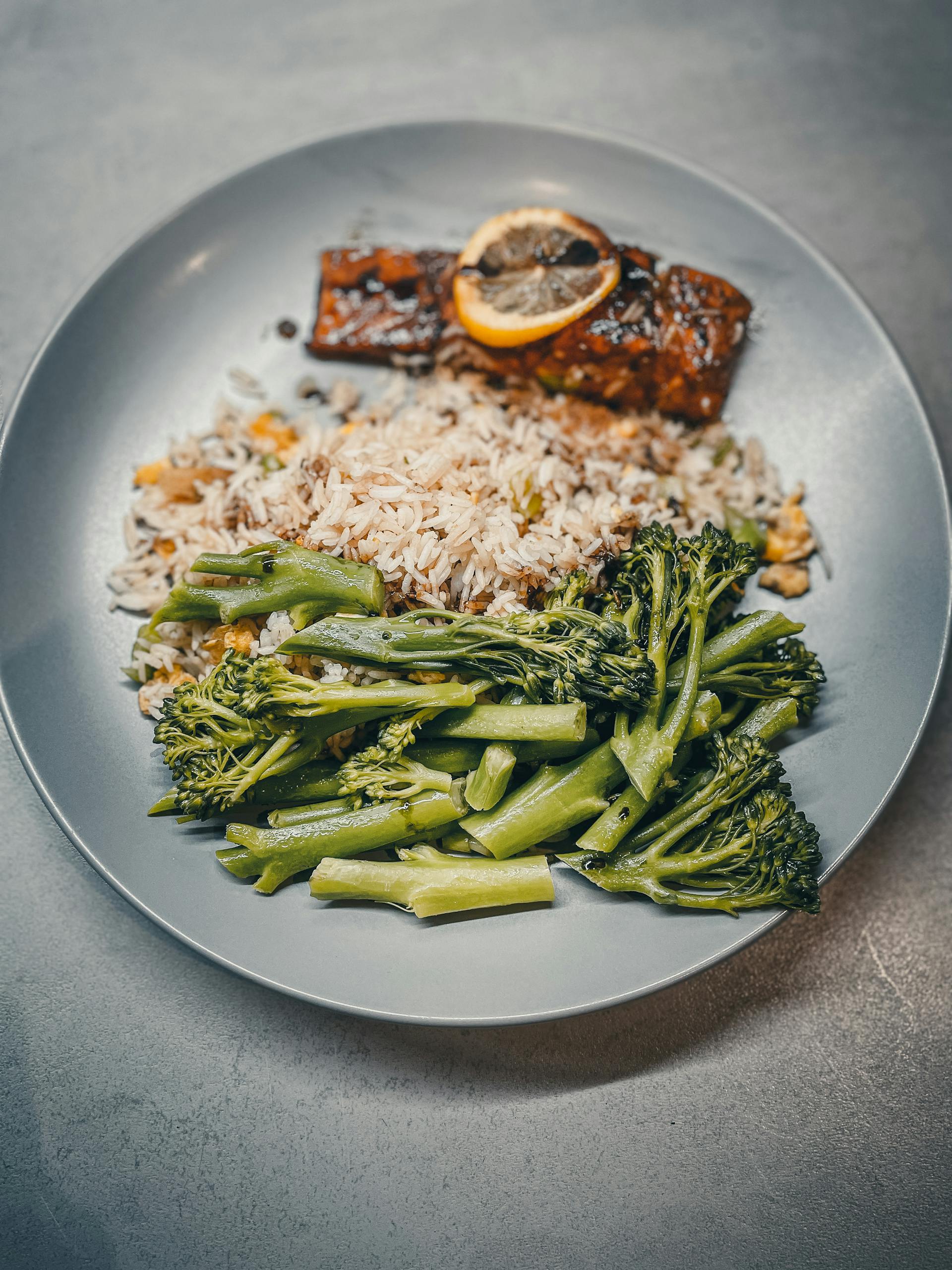
Grilled salmon with quinoa and steamed broccoli
Snack:

A handful of walnuts or a green smoothie
Dinner:

Stir-fried tofu with mixed vegetables and brown rice
Hydration:
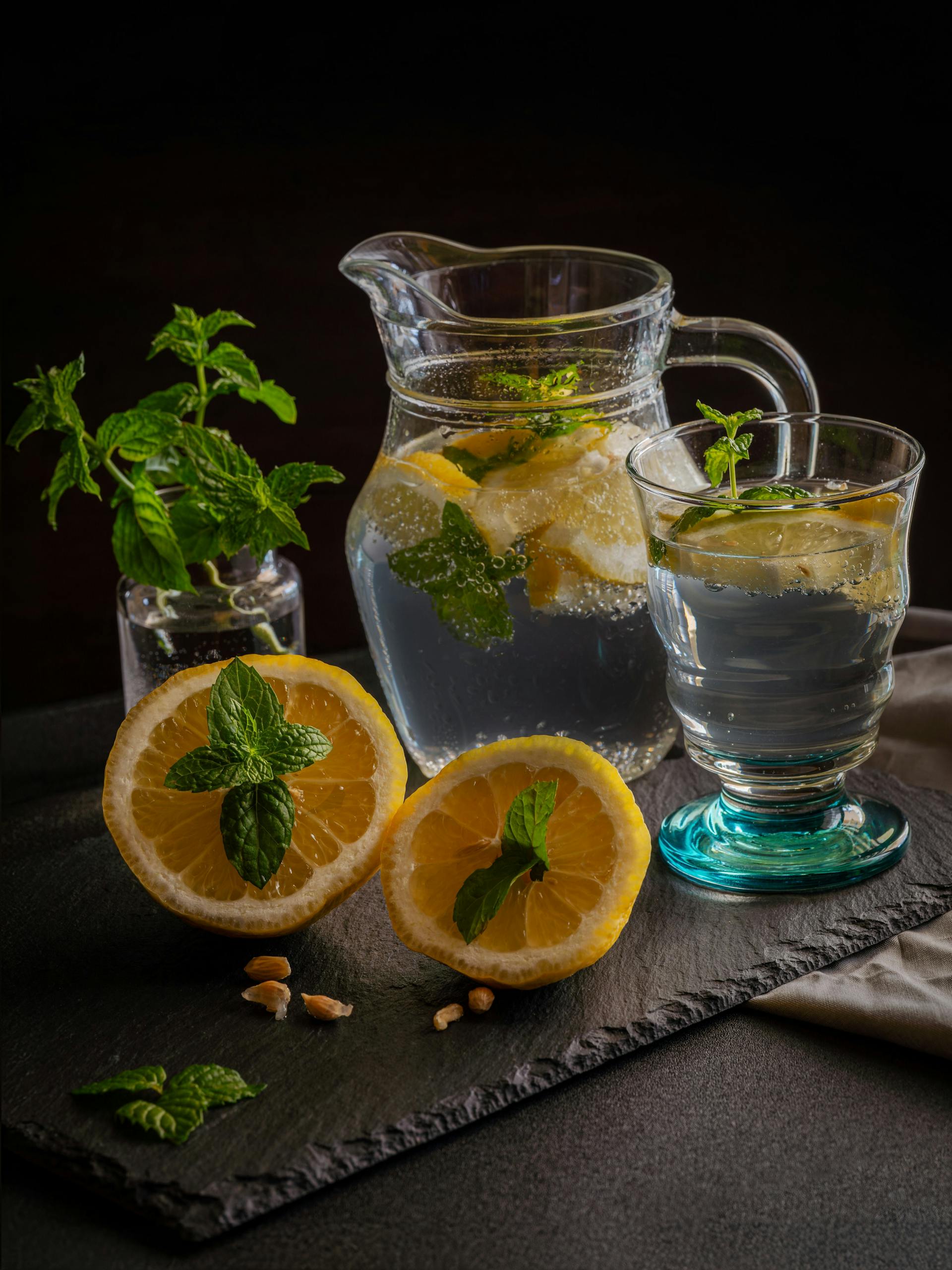
Green tea, infused water with lemon or mint
Nutritional Benefits of Breast Cancer Diet
| Food Group | Key Nutrients | Benefits |
| Fruits & Veggies | Antioxidants, fiber, vitamins | Protect cells, reduce inflammation |
| Whole Grains | Fiber, B vitamins | Aid digestion, regulate hormones |
| Lean Proteins | Protein, omega-3s | Rebuild tissues, fight fatigue |
| Healthy Fats | Omega-3s, vitamin E | Support heart and brain health |
| Low-Fat Dairy | Calcium, vitamin D | Strengthen bones, balance hormones |
Final Thoughts
While no single food can prevent or cure breast cancer, a healthy and balanced diet can make a significant difference in your recovery and overall well-being. By fueling your body with nutrient-dense foods, staying active, and maintaining a positive mindset, you empower yourself or your loved one to fight stronger, heal faster, and live healthier.
Following a healthy and nutritious diet may help reduce the chances of breast cancer. Regular medical appointments and breast cancer treatment are essential for early detection and diagnosis. It’s never too late to adopt a healthy lifestyle, make healthy lifestyle choices, and eat a balanced diet for breast cancer and live a cancer-free life.

Belly Bloating – How to Naturally Get Rid of Stomach Cramps
Top Chia Seed Benefits – Why Chia Deserves a Spot in Your Diet?

10 Scrumptious Vegan Holiday Recipes To Spruce Up Your Dinner This Season
About Author

Saher Naseem
A passionate medical content writer with a background in medical science, empowering people to lead healthier, more balanced lives. She artfully blends science and inspiration to craft engaging content on health & fitness, nutrition, healthy weight loss, celiac awareness, and diabetes care. Through her writing, she encourages readers to live stronger, eat smarter, and embrace a vibrant, gluten-free lifestyle.