
What Your Energy Crashes Are Trying to Tell You (And What to Eat Instead)
If you’ve ever felt drained and low energy, it’s not always due to fatigue, but your body is trying to signal something.
Your energy level crashing for no good reason is something you should not neglect.
Nearly 80% of adults feel fatigue at least once a week, and about 1 in 3 people experience an afternoon energy level down almost every day. Yet most adults think that it’s “normal,” grab a coffee, and fix it.
But here’s the thing:
Energy crashes aren’t something that is random.
They’re the sign your body is giving you.
Your body is constantly communicating to you. And guess what, it is more than just hunger, cravings, focus, mood, and yes, energy dips. When your energy sinks, it’s often a sign that something about how or what you’re eating (or drinking) isn’t working for you.
Let’s decode what those crashes are trying to tell you, and what to eat instead for steadier, more reliable energy.
What Actually Happens When Your Energy Crashes?
Before we talk about the bad food choices that are impacting your health, let’s first understand what an “energy crash” really is.
Most energy dips are due to blood sugar regulation, nutrient availability, and hormone imbalance.
When you eat, your body breaks down the food into (sugar), which enters your bloodstream and fuels your cells. On the other hand, insulin then helps move that glucose into your cells for energy.
The problem?
Sometimes food you intake results in rapid spikes in blood sugar. It is followed by sharp drops. It is when your blood sugar drops immediately.
That is when you experience:
- Sudden fatigue
- Brain fog
- Irritability
- Cravings (especially for sugar or caffeine)
This causes dehydration, poor sleep, stress, or relying heavily on stimulants, and the crash can feel even worse.
The Most Common Energy-draining Foods
1. Refined Carbs & Sugary Foods
When you eat white bread, pastries, sugary cereals, cookies, candy, and sweetened snacks, your energy level instantly crashes.
These foods digest quickly and cause a rapid blood sugar spike. However, they are low in fiber, protein, and fat, so the energy doesn’t last.
What drains your energy is:
You’ll get quick fuel, but not lasting fuel. Your body needs more fuel to keep you fueled
2. Sugary Drinks & Fruit Juice
Soda, sweetened teas, energy drinks, and even fruit juice can be sneaky
Liquid sugar enters the bloodstream much faster. As it lacks fiber that slows absorption level.
Drinking a sugar-sweetened beverage can raise blood sugar as much as eating too many cookies at once without making you feel full.
What drains your energy is:
Your body needs hydration and nutrients, not just sugar, for a lasting energy level.
3. Coffee (Especially on an Empty Stomach)
Coffee isn’t the cause of crash energy, but when it’s your only morning fuel, it actually backfires.
Caffeine stimulates cortisol (your stress hormone), which can temporarily increase alertness. But too much, or too early, may lead to:
- Jitters
- Anxiety
- Rebound fatigue
- Worse sleep later that night
Studies show that consuming caffeine can reduce sleep quality even when consumed 6 hours before bedtime.
What drains your energy is:
Stimulation is replacing the nourishment and nutrients in your body.
4. Alcohol
Even if you consume less alcohol, it still disrupts your sleep cycle. It is particularly REM sleep, which is less likely to restore your energy levels.
Research suggests that alcohol can reduce sleep quality by up to 40%, which explains why you might wake up tired even after a full night in bed.
What drains your energy is:
Your recovery systems need support and proper nutrients for sound sleep.
5. Fried & Fast Foods
Fried, greasy, and heavy meals are the biggest reasons for low energy levels. Such food items instantly redirect your blood flow toward your gut, making it less available for your brain and muscles. They’re also often low in fiber and micronutrients, which are essential for energy production.
What drains your energy is:
Eating fried food items will require your body to function more. Your body will work harder just to process your meal and absorb all the nutrients.
6. Salty, Ultra-Processed Foods
Highly processed snacks are often loaded with sodium but low in water and potassium.
Mild dehydration, such as 1–2% fluid loss, can be the reason for low concentration, alertness, and energy levels.
What drains your energy is:
You may feel dehydrated or have less electrolytes in your body.
7. Diet centric or low calorie food
Low calorie or diet centric food might appear a healthier option but it could result in under-eating leaving your body low on energy. Such food does nothing but result in fatigue and low energy levels. To boost energy you need to intake nutrients and follow a balanced diet.
What drains your energy is:
When you under-fuel your body, the energy level crashes, which results in a lack of will power and low stamina.
What to Eat Instead for All-Day Energy
Let’s change the course of healthy eating and opt for food items that are actually more fulfilling. Remember, the goal isn’t perfection, but healthy choices that actually fuel your body.
1. Build Balanced Meals
A healthy and energized diet starts with a balanced meal. You can not randomly pick convenient food items. Here’s what a simple and balanced diet formula looks like:
Protein + Fiber-Rich Carbs + Healthy Fats
This combination of food can stabilize blood sugar, provides a more sustained and high energy level.
2. Choose Slow-Burning Carbs
Unlike refined carbs, complex carbohydrates release glucose gradually.
Great options include:
- Oats
- Brown rice
- Quinoa
- Sweet potatoes
- Beans and lentils
- Whole fruit
These foods are linked to better blood sugar control and longer-lasting energy.
3. Prioritize Protein
Protein helps:
- Stabilize blood sugar
- Reduce cravings
- Support muscle and brain function
Aim to include protein at every meal and snack.
Examples:
- Eggs
- Greek yogurt
- Fish
- Chicken or turkey
- Tofu or tempeh
- Lentils and chickpeas
4. Don’t Fear Healthy Fats
Healthy fats slow digestion and keep you full longer.
Include:
- Avocados
- Olive oil
- Nuts and seeds
- Fatty fish
They also support brain health, which directly affects mental energy.
5. Hydrate (and Don’t Forget Minerals)
Water is essential for energy production at the cellular level.
If you’re feeling tired, try:
- Drinking water first
- Adding electrolytes or mineral-rich foods (leafy greens, bananas, coconut water)
Sometimes fatigue is just thirst in disguise.
Smart Snack Swaps That Actually Help
Swapping unhealthy food items with healthy ones is the best way to restore your energy levels. Here’s how you can do it:
- Swap cookies with Apple slices and peanut butter
- Swap chips with hummus and veggies
- Swap candy with Greek yogurt and berries
- Swap energy drinks with sparkling water + or citrus juice
Balanced snacks can prevent the blood sugar dips that trigger crashes.
Habits That Support Energy (Beyond Food)
Food matters, but so do your daily rhythms.
- Eat regularly (don’t skip meals)
- Get morning sunlight to regulate your circadian rhythm
- Move gently after meals (a 10-minute walk helps blood sugar)
- Limit caffeine after early afternoon
- Prioritize sleep; it’s the foundation of energy
What Is an Energy Crash Telling You?
- Energy crash right after a sweet treat? Try to add more protein and fiber to your diet.
- Afternoon slump after lunch? Reduce refined carbs and heavy fats.
- Tired right after breakfast? Eat more protein and real food rather than eating junk or sugary items.
- Constant fatigue? Check hydration, sleep, and overall intake. Moreover, if you wish to counter fatigue and sleep deprivation, it is best to consume these herbal teas. Herbal teas are not only beneficial for your health but also promote better and sound sleep.
Easy, Energy-Boosting Recipes
1. Protein-Packed Breakfast Oats
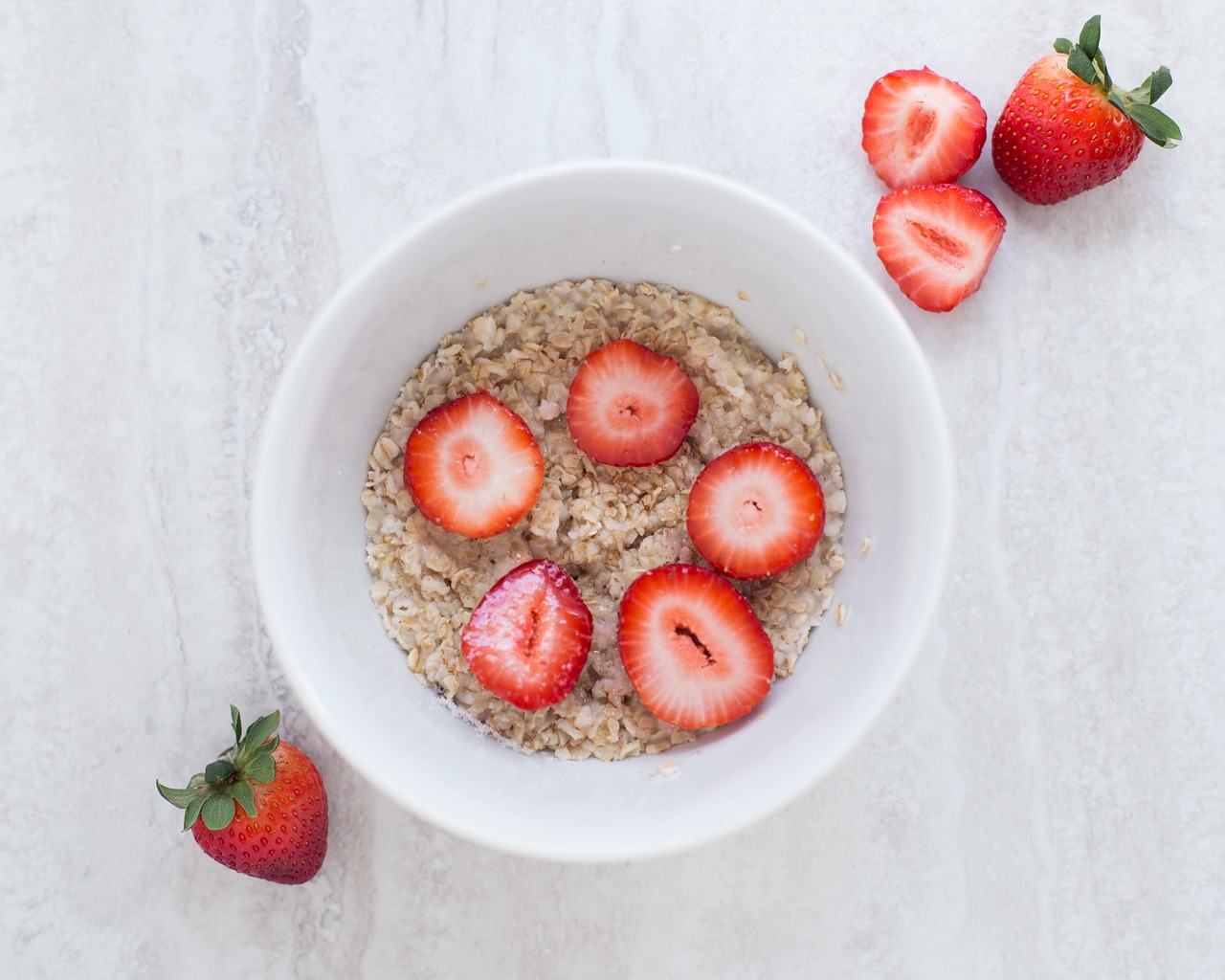
Why it works: Slow carbs and protein mean steady morning energy.
Ingredients:
- ½ cup rolled oats
- 1 cup milk (or plant milk)
- 1 tablespoon chia seeds
- ½ cup Greek yogurt
- Berries
- Optional: nut butter
How to make:
Cook oats, stir in chia seeds, top with yogurt, berries, and nut butter.
2. Balanced Lunch Bowl

Why it works: Fiber, protein, and fats prevent afternoon crashes.
Ingredients:
- Quinoa or brown rice
- Grilled chicken or chickpeas
- Roasted vegetables
- Avocado
- Olive oil + lemon dressing
3. Energy-Stable Snack Balls
Why it works: Portable, balanced, no sugar spike.
Ingredients:
- Oats
- Nut butter
- Ground flax or chia
- A little honey
- Dark chocolate chips (optional)
4. Simple Dinner for Better Sleep
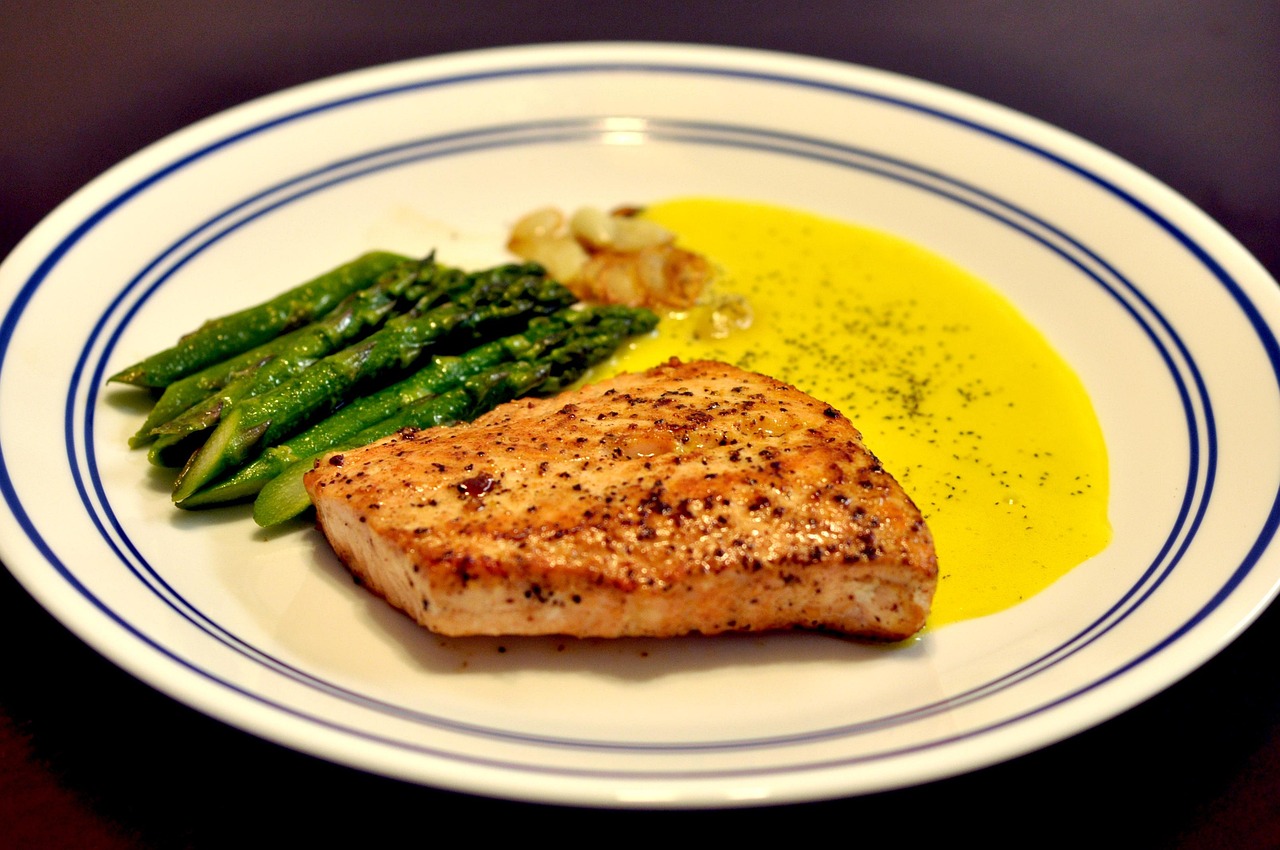
Why it works: Light, nutrient-dense, easy to digest.
Example:
- Baked salmon
- Sweet potato
- Steamed greens
- Olive oil drizzle
Protein and complex carbs can actually support better sleep, which means better energy tomorrow.
Final Word!
Energy crashes aren’t a personal flaw.
Rather, it’s an indicator that your body is telling you.
When you start listening and fueling your body with balanced, nourishing foods, energy becomes more stable, focus improves, and cravings quiet down.
You don’t need extreme diets or to function on coffee, but a balanced diet that keeps you full throughout the day.
This consistent nourishment is the core of healthy living.

Can’t Afford a Cheat Day? Here Are 7 Desserts You Can Eat on a Diet

Top Secrets for Losing Weight after 50 for Women

10 Early Health Warning Signs Your Body Might Be Showing
About Author
