Diet Plan Featuring Foods That Naturally Support Metabolism
Maintaining a healthy weight does take effort.
And keeping your metabolism healthy is one of the primary factors. But what exactly is metabolism, and can we really keep it healthy with a balanced diet and weight?
The answer is yes! While genetics and age do have a role to play, certain foods and smart dietary choices can naturally support and boost your metabolic rate, helping your body burn energy more efficiently.
Let’s explore how metabolism works and which foods contain nutrients that actually support and boost metabolism.
Understanding Metabolism
Metabolism is the process by which your body converts the food and drinks that you consume into energy. This energy powers everything you do, from thinking and walking to breathing and even sleeping.
Metabolic rate, on the other hand, refers to how quickly your body burns calories. You need to understand that everyone’s metabolism is slightly different, and there can be some factors for it:
- Age: As we get old our metabolism rate starts declining.
- Genetics: Some people have genetic problems even when they follow a balanced diet.
- Body composition: Muscle burns more calories than fat, even if you’re not working out.
- Hormones: Thyroid and other hormones can significantly affect the metabolism rate.
There are two main components of metabolism to consider:
- Basal Metabolic Rate (BMR): The energy your body uses at rest to maintain vital functions like breathing, circulating blood, and regulating body temperature.
- Active Metabolism: The calories burned through physical activity, digestion, and other movements are the best way to keep your metabolism
Definitely, you cannot change your genetics, but we can keep our metabolism healthy through food, exercise, and lifestyle habits.
Let’s take a look at how food choices can influence metabolism.
How Food Influences Metabolism
Not all calories are the same.
There are certain foods that require more time to digest, absorb, and process. This phenomenon is known as the thermic effect of food (TEF). For instance, protein has a higher TEF than carbs or fat, meaning your body burns more calories breaking it down.
Moreover, vitamins, minerals, and antioxidants from whole foods support the enzymatic reactions that keep metabolism running efficiently. Furthermore, eating the right foods can give your metabolism a natural edge, while poor dietary choices can slow down the metabolism process.
Top Foods That Naturally Support Metabolism
Let’s dive into the best foods to include in a metabolism-friendly diet.
1. Protein-Rich Foods
Protein is arguably the most effective macronutrient that boosts metabolism. Foods like lean meats, fish, eggs, legumes, and tofu require more energy to digest, giving your metabolism a small but noticeable boost.
Protein supports muscle maintenance, which is crucial because muscle tissue burns more calories than fat, even at rest. Plus, protein keeps you feeling fuller longer, which can prevent overeating.
Pro tip: Aim to include a source of protein in every meal, whether it’s a handful of almonds at breakfast or grilled chicken at dinner.
2. Spicy Foods
Spices aren’t just for flavor; they can temporarily increase your metabolic rate. Capsaicin, found in chili peppers, is a compound known to slightly boost calorie burn and fat oxidation.
How to include: Add chili flakes to your stir-fries, a dash of cayenne to soups, or try spicy salsas with your meals. Even ginger, turmeric, and black pepper can support metabolism.
3. Whole Grains & High-Fiber Foods
You can include whole grains like oats, quinoa, and brown rice to boost your metabolism. Moreover, fiber-rich vegetables play an efficient role in improving metabolism. They provide sustained energy and require more energy for digestion compared to refined grains.
Bonus: Fiber helps regulate blood sugar, preventing spikes and crashes that can slow your metabolism. It also promotes healthy gut bacteria, which recent research links to metabolic efficiency.
4. Green Tea and Coffee
Caffeine isn’t just a morning pick-me-up; it can also support metabolism. Green tea, in particular, contains catechins, antioxidants that can enhance calorie burning, especially during exercise.
How to consume? Drink a cup of green tea in the morning or mid-afternoon, and if you love coffee, a moderate amount can also give your metabolism a temporary lift. Just avoid sugary additives that can negate the benefits.
5. Healthy Fats
Not all fats are created equal. Omega-3 fatty acids, found in fatty fish like salmon, walnuts, flaxseeds, and chia seeds, can help improve fat metabolism and support overall metabolic health.
Pro tip: Replace processed fats with these healthy options. Avocados, olive oil, and nuts are great for adding flavor and metabolic support without causing inflammation.
6. Metabolism-Boosting Fruits and Vegetables
Certain fruits and vegetables pack a punch when it comes to metabolic benefits. Berries, citrus fruits, and cruciferous vegetables like broccoli and Brussels sprouts are loaded with antioxidants, vitamins, and fiber that support digestion and energy production.
Why it matters: Vitamin C, for example, plays a role in the oxidation of fat during exercise. Including these foods regularly can subtly enhance your body’s ability to burn calories efficiently.
7. Water and Hydration
It might sound simple, but staying hydrated is essential for metabolism. Every cellular reaction, including those involved in calorie burning, requires water.
Fun fact: Drinking cold water can temporarily boost metabolism as your body expends energy to warm it to body temperature.
Sample Diet Plan to Boost Metabolism
Here’s how you can put these foods into practice with a daily meal plan:
Breakfast:
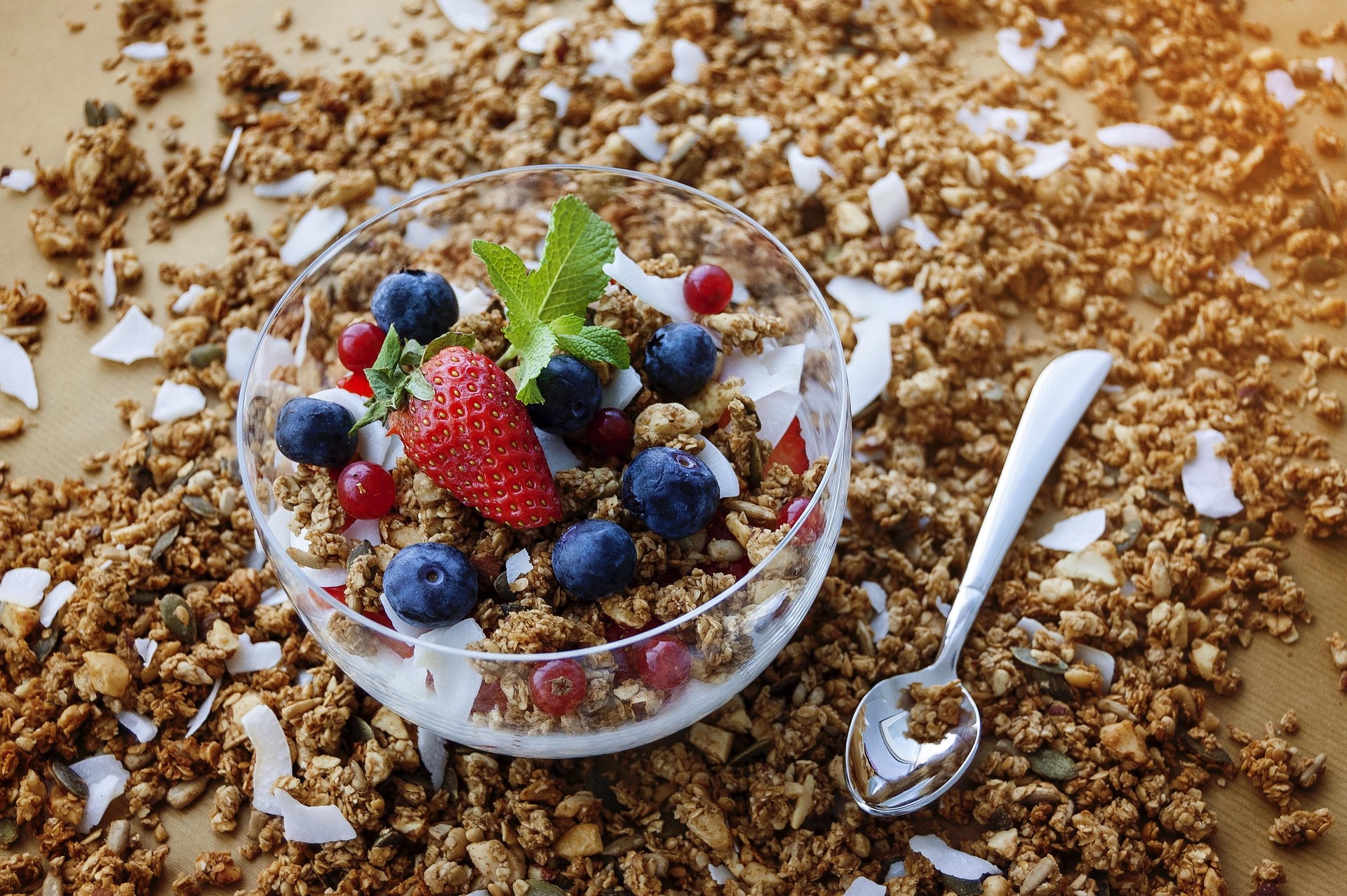
- Oatmeal topped with berries, chia seeds, and a handful of almonds
- Green tea or black coffee
Mid-Morning Snack:

- Greek yogurt with a drizzle of honey or a boiled egg
- A glass of water or herbal tea
Lunch:
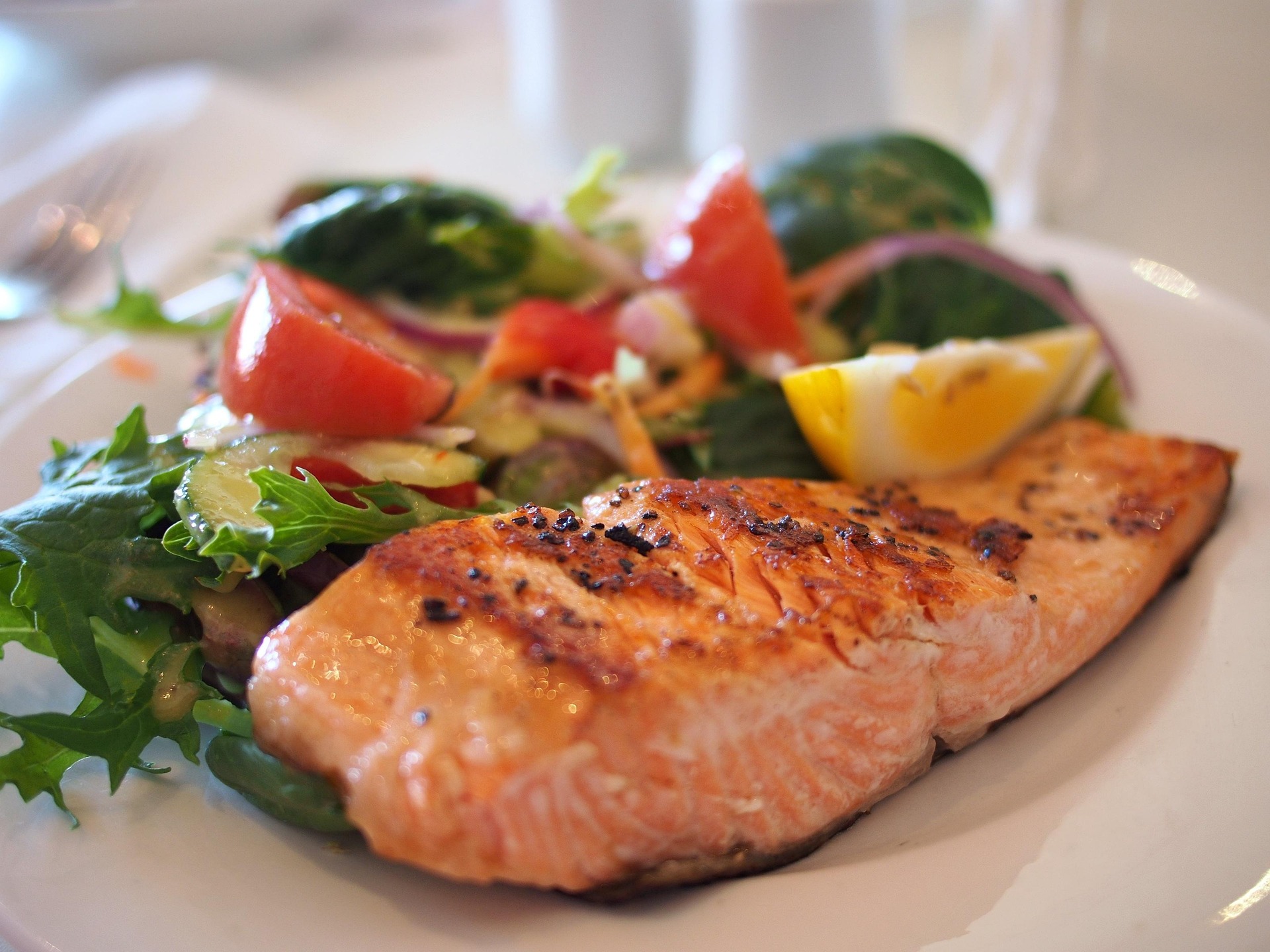
- Grilled salmon or chicken breast
- Quinoa or brown rice
- Roasted broccoli and bell peppers
Afternoon Snack:
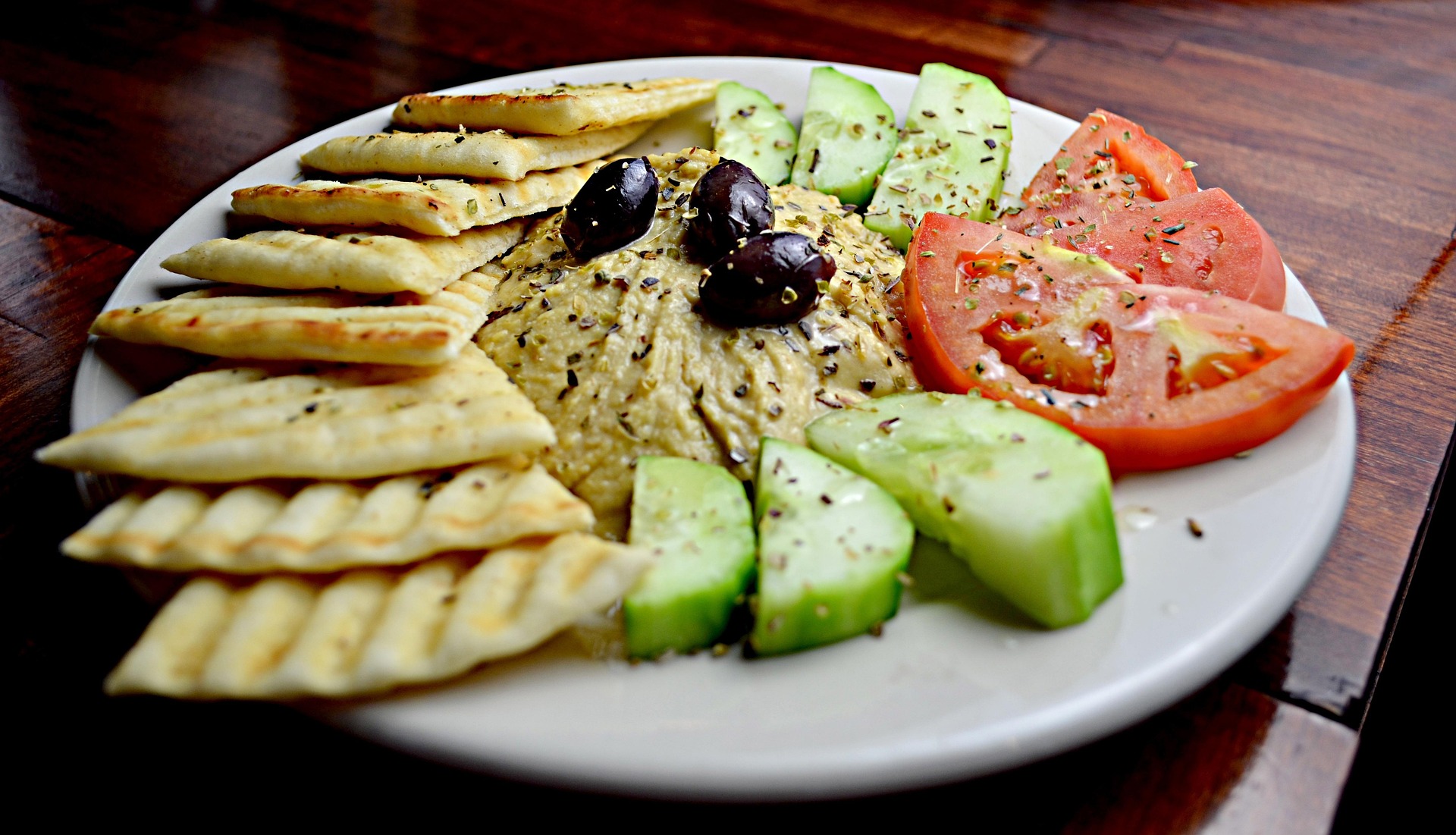
- Spicy hummus with cucumber and carrot sticks
- A small handful of walnuts
Dinner:

- Stir-fried tofu or lean meat with cruciferous vegetables
- Olive oil drizzle for healthy fats
- Water infused with lemon or cucumber
Hydration Tips:
- Aim for 8–10 glasses of water throughout the day
- Include metabolism-supporting beverages like green tea and lightly spiced drinks
Lifestyle Choices With Metabolism-Boosting Diet
Nothing goes one way. If you need to improve your metabolism, you need to make changes to your lifestyle choices, too. Following a balanced diet won’t help. Pair these dietary strategies with smart lifestyle choices for the best results:
- Regular Exercise: Strength training preserves and builds muscle, which is more metabolically active than fat. Even moderate activity like brisk walking supports calorie burn.
- Adequate Sleep: Poor sleep slows metabolism and can increase cravings for unhealthy foods. Aim for 7–9 hours per night.
- Stress Management: Chronic stress triggers hormones that can slow metabolism. Practices like yoga, meditation, or deep breathing help maintain metabolic balance.
- Meal Timing: While research is mixed, some find that smaller, frequent meals help maintain energy levels. Others benefit from structured eating windows. Listen to your body.
With a healthy metabolism, it is easy to maintain and improve gut health too. You need to include gut healting food in your diet plan too to help with better digestion and weight management.
Sum Up
Supporting your metabolism doesn’t have to be complicated. By including protein-rich foods, healthy fats, whole grains, spicy foods, fruits, and vegetables, and keeping yourself hydrated to give your metabolism a gentle boost.
To make it more effective, you need to consider your dietary choices with regular exercise, proper sleep, and stress management. This is how you’ll create an environment where your body can burn energy efficiently.
Start small: swap refined grains for whole grains, and add a serving of lean protein to every meal. Include green tea mid-morning and evening. Over time, these simple noticeable differences can boost your energy levels, aid in weight management, and improve overall well-being.
Your metabolism is not fixed; with the right foods and lifestyle habits, you can support it naturally, sustainably, and deliciously.

Can’t Afford a Cheat Day? Here Are 7 Desserts You Can Eat on a Diet

Healthy Foods That Are Secretly Destroying Your Weight Loss

A Prediabetes Diet Plan to Help Your Blood Sugar Within a Healthy Range
About Author

Elisa Marton
Elisa Marton is a health and nutrition writer with 5 years of experience covering diet, weight loss, and wellness. Elisa specializes in translating nutrition research into practical, sustainable guidance for readers.